
BLOG
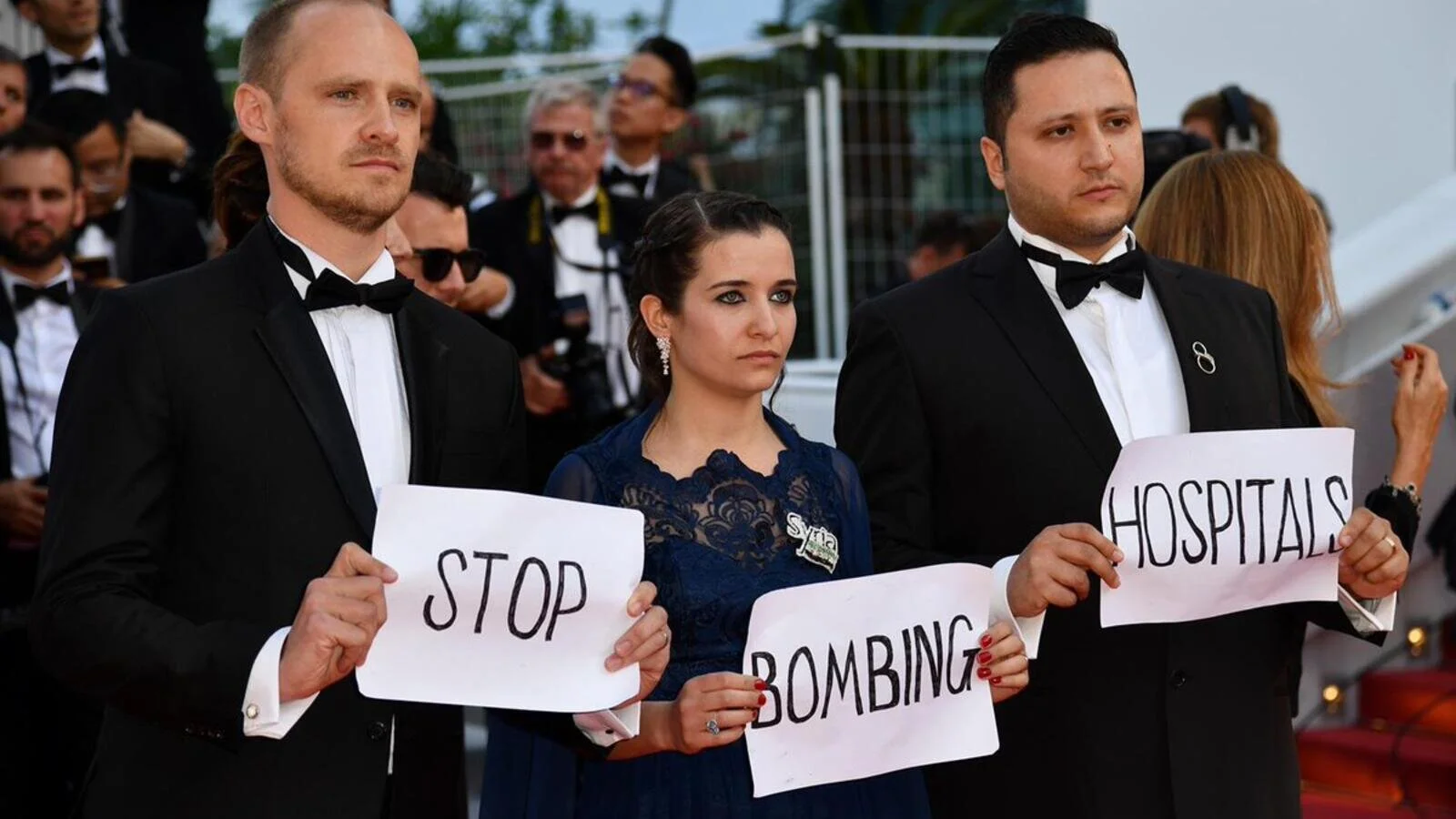
Waad al-Kateab’s Archived Footage to be Submitted as Evidence of War Crimes
ANNOUNCEMENT: 10 December 2019, 1pm (UK Time)
Today is International Human Rights Day.
As Syrians, we have not lived a day with the human rights that this day celebrates. Almost 50 years of our lives have been spent under the terror-driven dictatorship of the Assad family, 8 years living under bombs and many of us went into exile from our homeland.
Yet these are the rights we fight for everyday - the ones that led us to protest in the streets, to remain in Aleppo through the siege, and to create FOR SAMA and Action For Sama.
The same belief in human rights shared by the brave journalists, humanitarians, activists and medics working in Idlib today, while Russian and regime jets continue their indiscriminate bombing campaign.
Today, we continue to ask the world to defend human rights by protecting civilians in Syria. We also demand accountability for those who committed war crimes: attacks on healthcare facilities, siege tactics, torture, chemical attacks and the use of indiscriminate weapons.
In partnership with International Justice Chambers Guernica 37, we are working on submitting all the material that I captured to the UN-mandated independent investigatory mechanism, the IIIM. Submitting the archive of my footage to be used as evidence of war crimes is a crucial step to uphold our belief in the power of documentation and to contribute to long-term accountability efforts for atrocities committed against civilians in Syria. We will continue this effort in collaboration with other valued partners to put an end to impunity and bring justice for the people of Syria.
We will work closely with Guernica 37 International Justice Chambers in seeking to hold the Syrian and Russian political and military leadership accountable in a court of law, as there can be no peace, no democratic transition, no economic stability without justice.
The theme of International Human Rights Day 2019 is “Youth Standing Up for Human Rights”. We ask that governments and citizens across the world demand accountability today, so that the youth of tomorrow won’t need to stand up for their basic, fundamental human rights.
Show your support to put an end to the horrors being committed in Syria. For human rights. For the future. For Sama.
Waad al-Kateab
***
About Action For Sama
Action For Sama is an impact campaign set up by the filmmakers of FOR SAMA to shed light on the situation in Syria, to urge FOR SAMA’s viewers to take action and to demand accountability for the ongoing bombing of healthcare workers and civilians in Syria.
www.actionforsama.com Contact: actionforsama@togetherfilms.org
About Guernica 37
Guernica 37 International Justice Chambers is regulated by the Bar Standards Board of England and Wales (“BSB”). Established in 2016, the Chambers specialise uniquely in international criminal and human rights law. Justice, accountability and sustainability are the central values leading the work of Guernica 37.
UN HQ - "For Sama Brings the Reality of War to Our Doorstep"
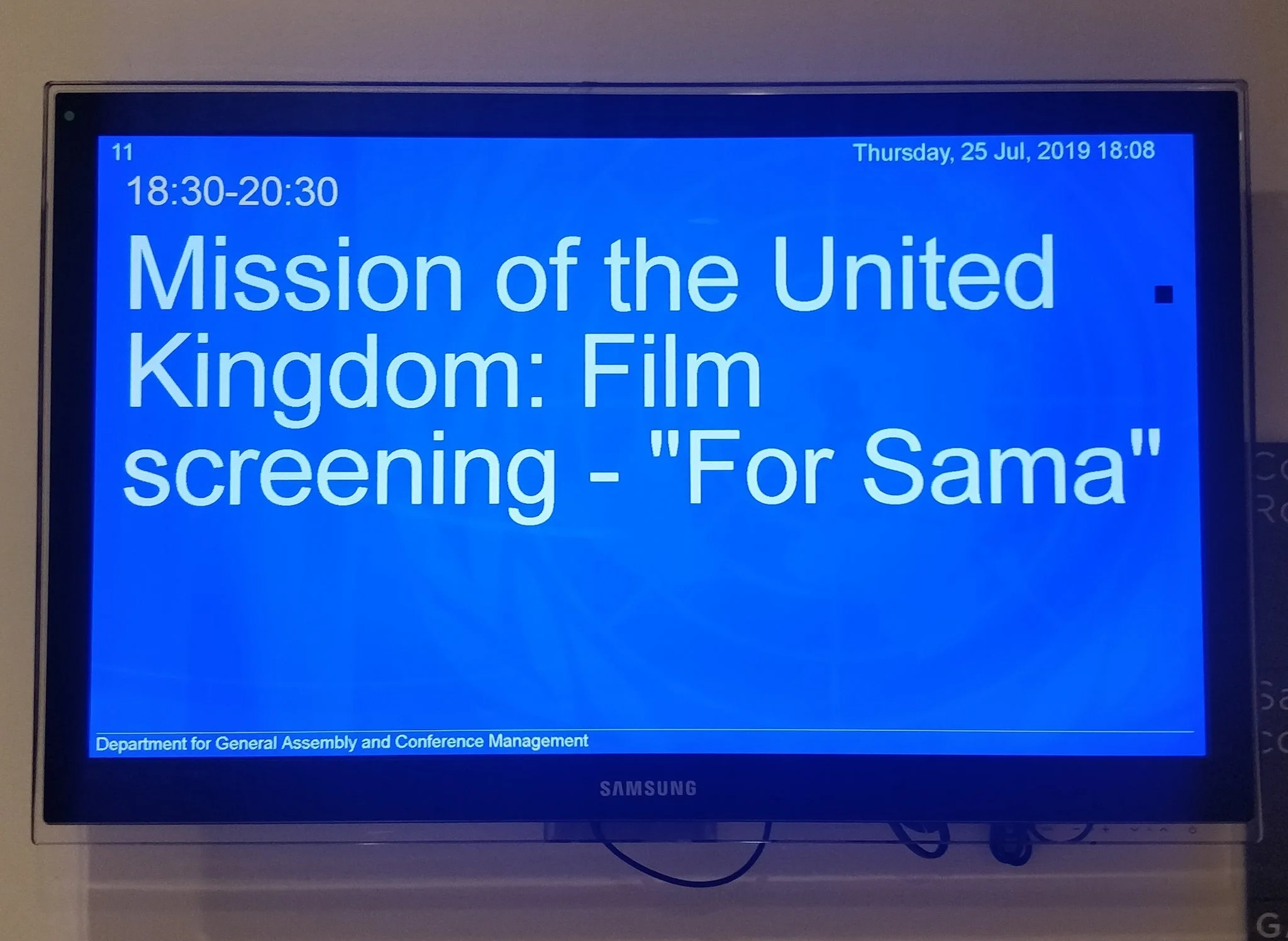
Ambassador, Karen Pierce, was present at the event. "The Syrian people deserve the international community's thanks for struggling on when all the global institutions set up since 1945 have proved themselves unable to help the people on the ground," she said after the screening, as she led the UN audience in applause for Waad, Edward and Hamza.
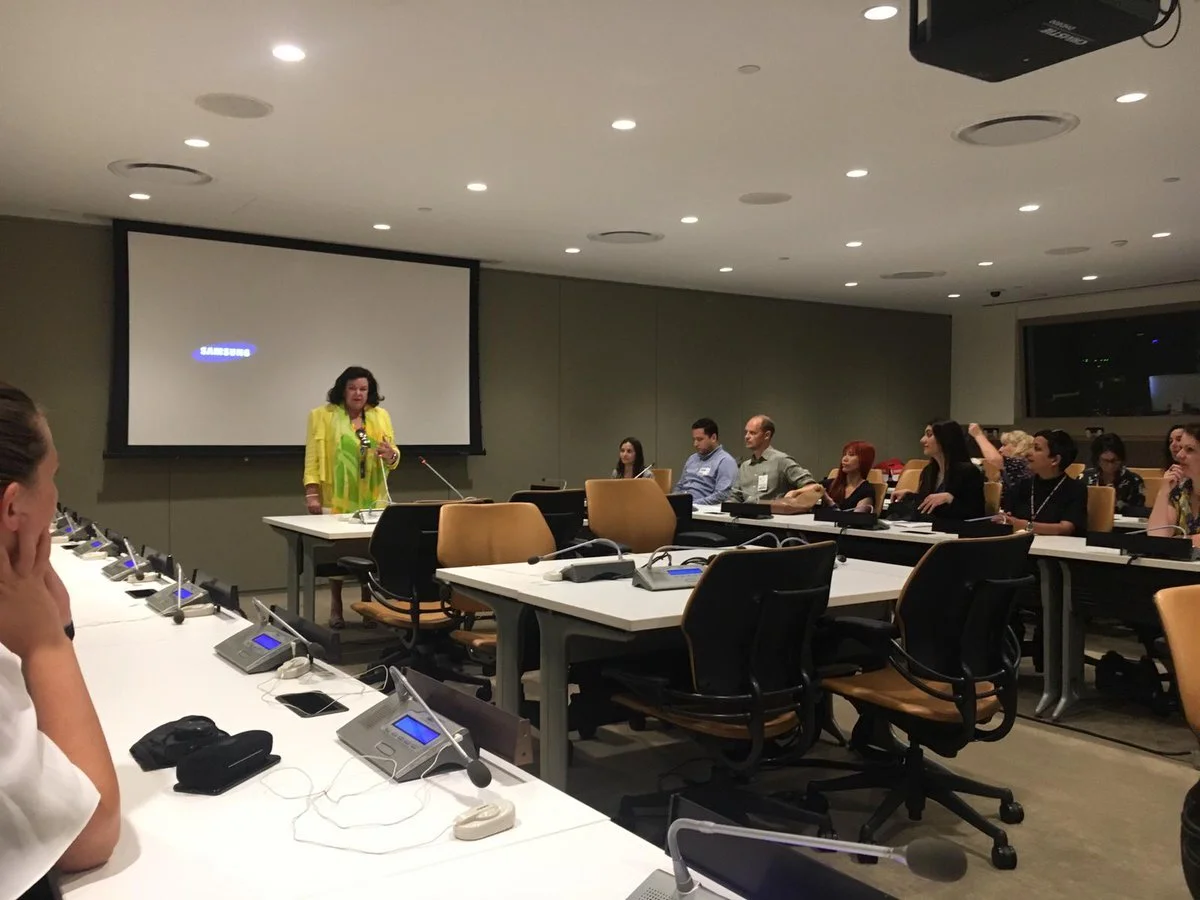
UK Ambassador to the UN, Karen Pierce, speaks to the audience of diplomats.
During a post-screening discussion, Dr Hamza al-Kateab opened up to the audience about the dangers of staying within the walls of the hospital in Aleppo, “We were dying to stay in our city. They tried to kill the resilience of the people. Patients began to learn the hospital was the most dangerous place to be in the city.”
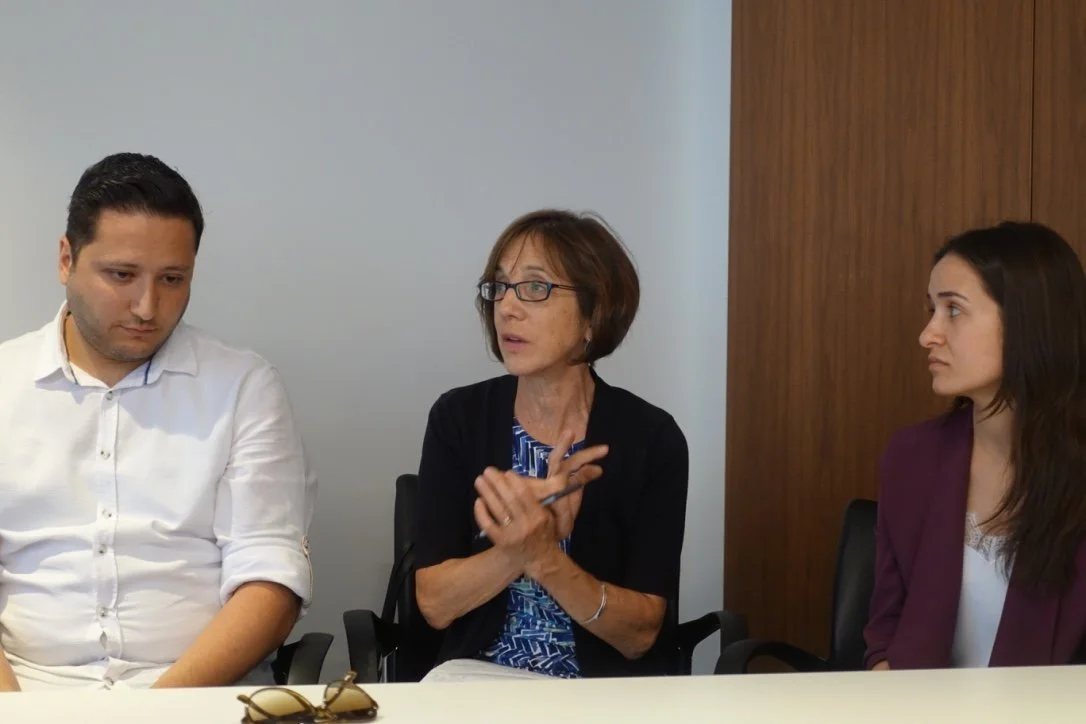
Susannah Sirkin, Director of Policy at Physicians for Human Rights (PHR) - a partner of Action For Sama - attended the event with Waad, Edward and Hamza. During the discussion, Susannah presented the PHR map of attacks on healthcare in Syria and discussed the ongoing human rights work PHR are doing. Just a few days after the screening, Susannah mentioned For Sama in a UN briefing on the situation in the Middle East saying, “The widespread and systematic destruction of health facilities and the killing of hundreds of doctors, nurses, pharmacists and paramedics by Syria and its Russian allies has the apparent aim to ‘break people’s spirits,’ as one Syrian doctor put it in the powerful new documentary, For Sama.”
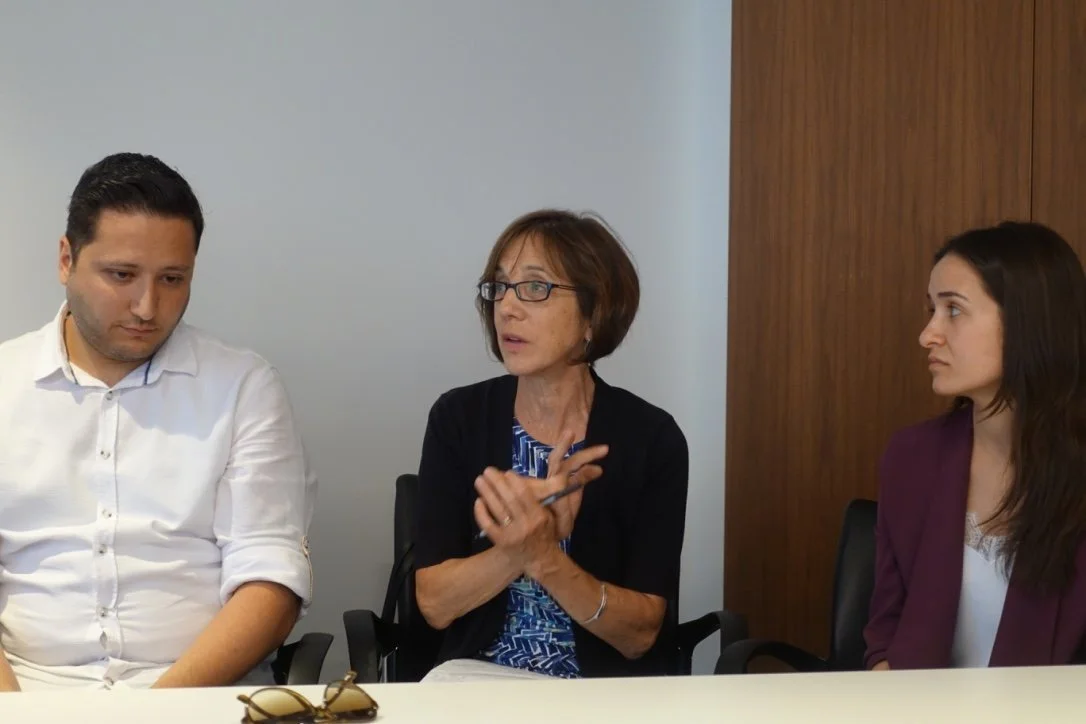
Hamza al-Kateab, Susannah Sirkin (Physicians for Human Rights), Waad al-Kateab
Summarising the afternoon’s event, a representative from the UK at the UN said, “This week's images from Idlib and the screening of For Sama at the UN strengthen our resolve to keep shining a light on the appalling violations of international humanitarian law in Syria and do all we can to end the nine year conflict. We are indebted to Waad al-Kateab & the team behind For Sama for their courage in documenting this story & bringing it to the world,”
Anyone that has seen For Sama will know that the footage shared shows the brutal realities of what is happening inside Syria. The scenes captured in the documentary do not only tell a story, but provide clear evidence of the destruction being caused by Assad’s regime and Russian airstrikes. This opportunity to present For Sama to the UN is just one of many meetings planned to engage our governments, leaders and allies to use For Sama as a tool for good, and to end the targeting of healthcare facilities in Syria.
***
Action for Sama is in an independent campaign by the filmmakers of For Sama, which aims to end the targeting of healthcare facilities in Syria. To find out more and learn how you can take action, visit actionforsama.com.
Watch For Sama on Channel 4 (UK) and PBS Frontline (US)
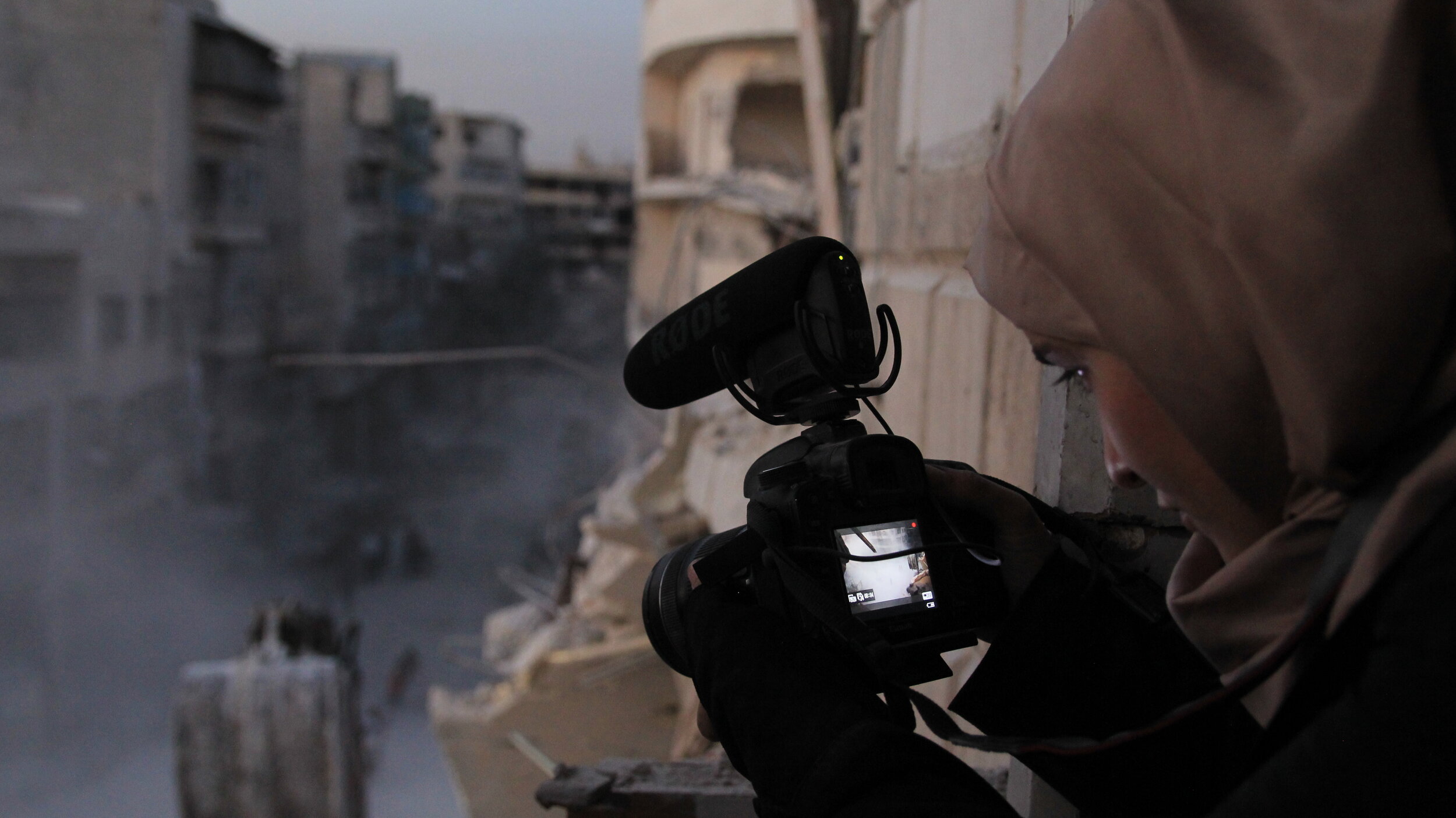
Waad al-Kateab & Edward Watts in conversation with Human Rights Watch
Closely following the US release of For Sama on PBS Frontline in mid-November, Human Rights Watch Film Festival hosed a Twitter Q&A with For Sama filmmakers Waad al-Kateab and Edward Watts. In this interview, HRW find out just how important it was for the filmmakers to share this footage to the world. Read their conversation here:
HRW: Waad and Edward - For Sama is an intimate look at life in the midst of the war in #Syria. How did you decide you wanted to make a film and tell your story?
WAK:
I never thought of doing a film about Syria while filming there for 5 years. I was just trying to capture all the details of life – big things in the city, my personal life and the hospital with many other families I followed over the years.
I was sure I would be killed at any moment so I never thought of a plan for what comes next or the future. Then when I was forced to flee in 2016 at the beginning I was so disappointed and emotional about what happened with us that I thought I’d never work in media again. But I then felt “No”, I need to do that. I need to take responsibility and stand again to do the film to raise awareness about what is happening. I want to share my story in the best way. And doing For Sama was that way.
Me & Edward worked for 2 years until the film was ready. We were trying to find a way to tell the story. We had huge archives of footage and didn’t know where to start. But we were sure that this film was so important, not just for Syrians but for all over the world.
EW:
Ever since the revolution in Syria I’ve wanted to make films about people like Waad & Hamza – the peaceful protestors who went out on the streets to fight for the basic rights that we take for granted in the West. When I was introduced to Waad I saw it as a chance to tell the truth of the story of the Syrian revolution, without the distraction of the terrorism narrative, something I’d wanted to do for so long. That truth is what you see through Waad’s life.
HRW: And, Waad - when did you first pick up a camera and start filming what was happening around you in Syria?
WAK:
The first time I picked up a camera, it wasn’t a proper camera - it was my phone. It was 2011, when the Syrian revolution started. I was studying at Aleppo University and I joined the protest and just started filming what was happening. It was so important for us to record that period of time, especially because the regime was denying everything that was happening. I’ve captured every record, every voice, every picture and every video because it is very important to prove what was happening inside Syria.
HRW: For Sama is so raw, it doesn’t hold back in showing the reality on the ground. Why did you decide to take this approach and what did you feel your responsibility was in showing what was happening in Syria?
WAK:
Sadly the story of Syria is like what you’ve seen. It’s a lot of dead people, a lot of destruction and this is what we can’t ignore. I wish I could fake some of the story but this is the truth of our experience. We were living a life where it could be ended at any second.
EW:
Throughout the Syrian revolution, people in the West had been shielded from the brutal reality of what Assad & his Russian allies were doing to civilians. Waad & I were determined we weren’t going to shield people from the truth.
Because if you don’t show the people the truth, then they’re not in a position to make a judgement. It’s only when you see the crimes that have been committed to civilians - children - that you understand. It was so important that we showed this reality in the film.
WAK:
Yes - we had to show the targeted attacks of the Assad regime and Russia on life there. As an activist, mother and filmmaker, I hope we focus on this fight for the rest of our life.
HRW: For Sama has been such a huge success and has been screening around the world. How does it feel to have to continue to tour with the film and talk about such a difficult time in your life, Waad?
WAK:
Actually, it’s so important to do this, as much as it’s hard and it’s so emotional to me, it’s so important. Unfortunately we are not speaking about a story that happened and finished three years ago, we are still speaking about the same bad circumstances. More than 3 million people who live in Idlib now are facing the same tragedy and the same bad circumstances.
Idlb is the last area out of the regime control and there are mothers and families and people who are living under threat to be killed or to be displaced from their homes at any second. Whatever my feelings now, whatever my situation about what’s happening when I’m speaking about the film, this is not equal to anything of what these people are suffering every day.
At least now, my daughter is safe and I’m safe. I’m the witness who was alive and went out and now I need to shed light about others, the people that are still suffering the same circumstances.
HRW: For Sama is understandably critical of the intl. community’s response - what can viewers do to make a difference?
WAK:
We are so proud that we shared the story with the film, so people can really connect to what’s happening right now in Syria. But we believe the film itself is not enough. We need people to be with us in this, we need the help of people all over the world. That is why we launched our impact campaign, it’s called Action For Sama.
People can go to www.actionforsama.com and find a lot of tools to be part of the change. There are lots of things people can do - maybe it seems like small things, but all this together will be so important and lead to a big action.
The main message we have with Action For Sama is #stopbombinghospitals, because this is still happening every day. It happened with us three years ago as people see in the film, but the news shows it is still happening, every day. Just yesterday.
EW:
One of the most important things is for people to stay engaged and not give up. Like Waad says, small actions add up, so every time you take 5 minutes out of your day even just to express solidarity with people in Syria, it makes a huge difference.
The reason why the Russians and the Assad regime commit a lot of these crimes is because they think they’re happening in the shadows, they think no one cares and no one is watching.
So every time that you share the news, tell your friends what’s happening in Syria or put a tweet out, you’re telling the people in power that you do care, that the world is watching. And that just might make them think twice that one day justice will catch up with them. So you’re part of the fight and you can help make a difference.
WAK:
And please, follow @ActionForSama on social media and see the website and keep in touch always. Thank you so much to everyone!
***
Action for Sama is in an independent campaign by the filmmakers of For Sama, which aims to end the targeting of healthcare facilities in Syria. To find out more and learn how you can take action, visit actionforsama.com.
Watch For Sama on Channel 4 (UK) and PBS Frontline (US)
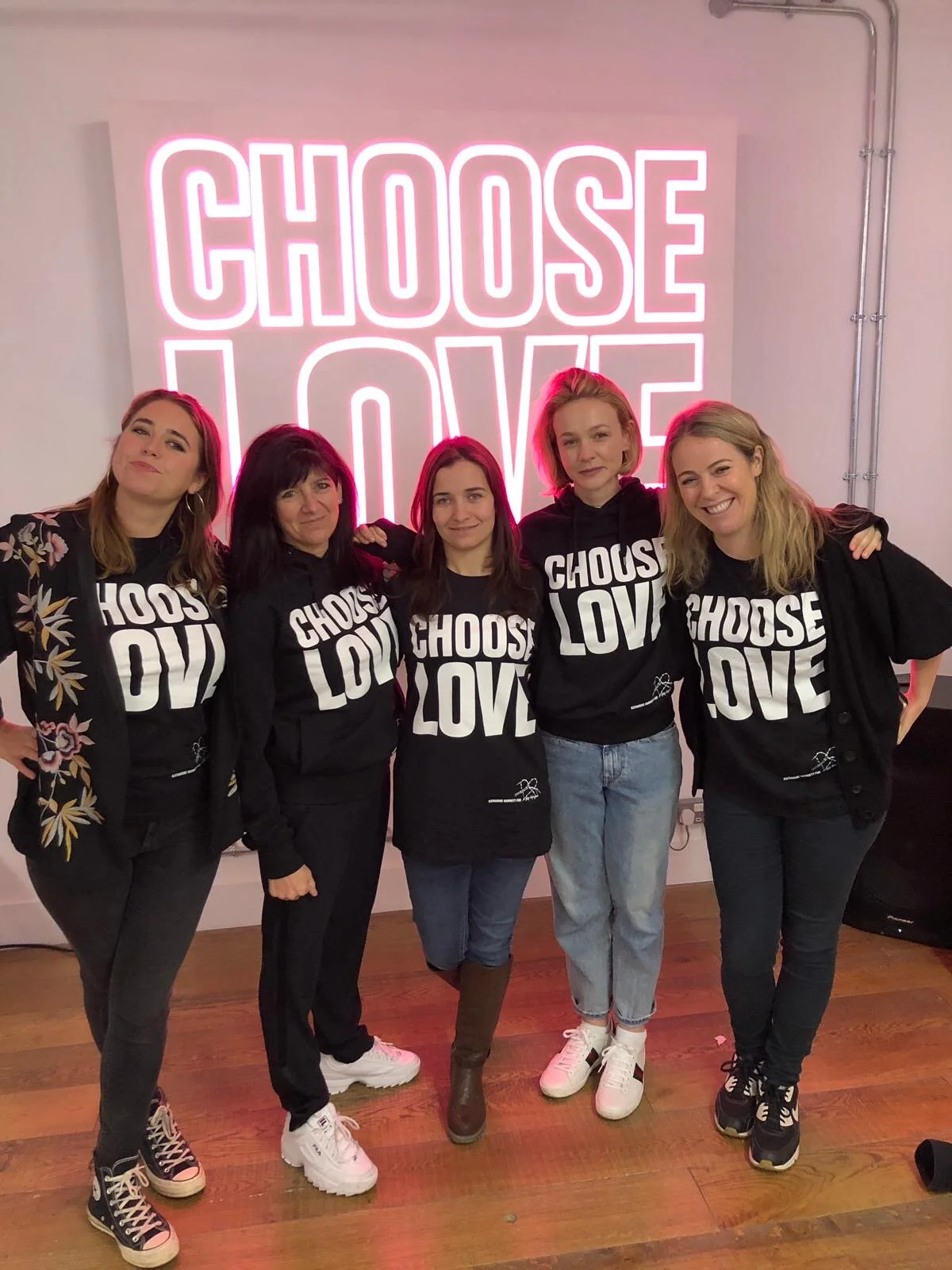
Choose Love: Waad Takes a Tour of Help Refugees' New London Shop
UK based charity, Help Refugees, celebrated the launch of their new Choose Love stores across London, LA and New York last month.
On opening day at the London store, Waad al-Kateab was excited to head down to Neal Street to support the Help Refugees team, taking Action For Sama followers on a tour around the space via a Facebook Live (watch here).


Josie Naughton (Help Refugees), Emma Freud, Waad al-Kateab, Carey Mulligan, Philli Boyle (Help Refugees)
While visiting the Choose Love shop, Waad was overwhelmed to learn that Deborah Goldblatt, author of e-book, Syria Welcomes a Stranger (which Waad had previously contributed to) had given £10,000 of the book donations to be spent in store by Action For Sama.
With the £10,000 Waad was able to purchase £1000 on nappies, £7000 on medical care, £1000 on firewood, £1000 on hot food:


We are so excited for our friends at Help Refugees for this incredible new chapter for their work - making tangible support for refugees possible.
#ChooseLove.
Visit Choose.Love for more information.
***
Action for Sama is in an independent campaign by the filmmakers of For Sama, which aims to end the targeting of healthcare facilities in Syria. To find out more and learn how you can take action, visit actionforsama.com.
Watch For Sama on Channel 4 (UK) and PBS Frontline (US)
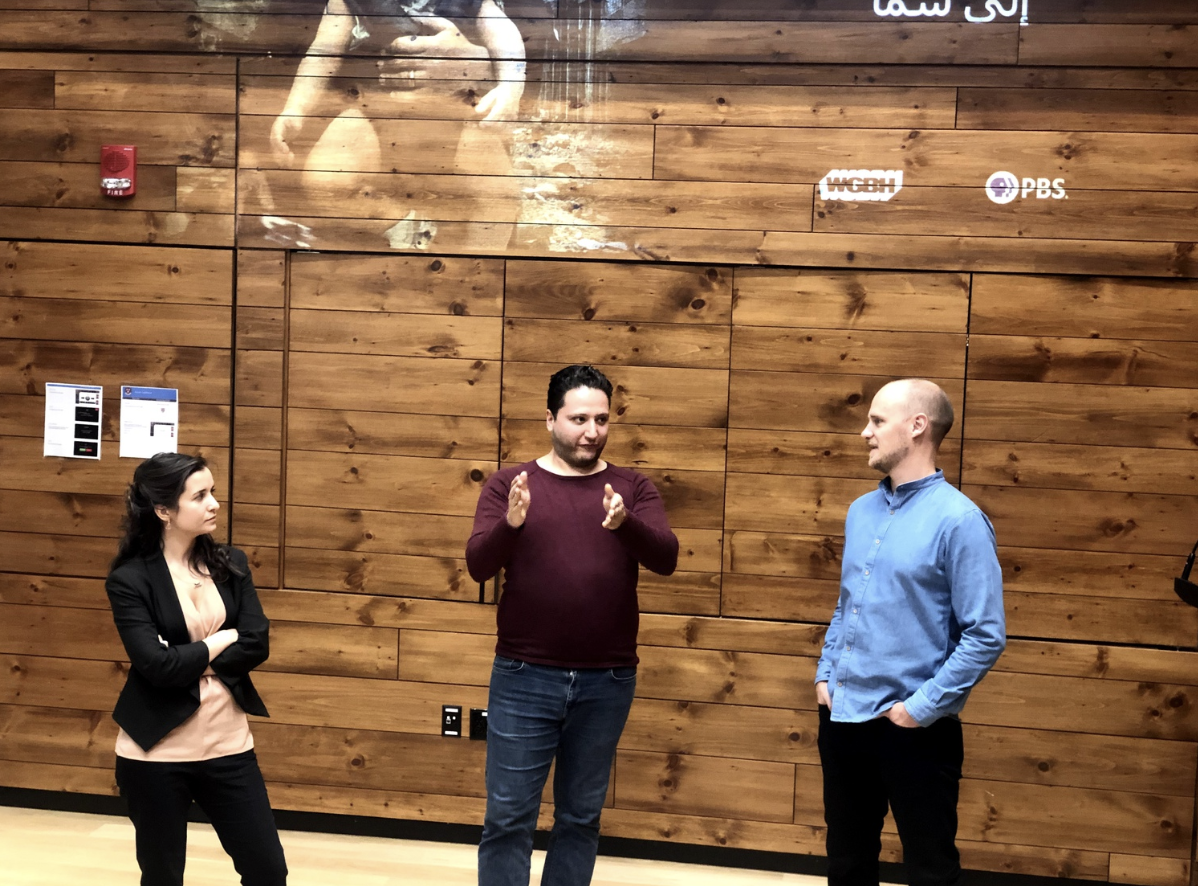
Team For Sama at Harvard: University Screening & Interview
Clips of For Sama were shown as part of the Lowell House Film Series at Harvard University, followed by a Q&A with Tomás Guerrero Jaramillo, who wrote up the interview as a piece for The Harvard Crimson, which is the US’s oldest continuously published daily college newspaper.
Here is the captured Q&A article, published on 19 November:
On Nov. 14, Lowell House hosted an event with Waad al-Kateab and Edward Watts, the directors of “For Sama,” which won L'Œil d'or, the Best Documentary award at the Cannes Film Festival this year. Hamza al-Kateab, Waad’s husband and protagonist in the film, was also in attendance. The film has won no fewer than 20 different awards across several film festivals around the world, including the SXSW 2019 Film Festival and the Nantucket Film Festival, and has given worldwide attention to the ongoing Syrian crisis. A Q&A session followed the screening of the snippet of the film. The Harvard Crimson sat down with Waad al-Kateab and Edward Watts to discuss their experience producing their documentary about the ongoing Syrian crisis through the five years Waad and Hamza spent living in Aleppo.
The Harvard Crimson: When did you start filming? What was the first thing you filmed in Aleppo?
Waad al-Kateab: So, in 2011 when the revolution started, I joined the protests. And it was so easy in Syria to distinguish with which side you want to be because there were normal people protesting, and there was the regime trying to make these people not ask for their human rights. So, it was so obvious that what we needed to do is to record and film these things because the regime was denying everything that was happening on the state media. Like when we were in one protest, you could see the security forces coming, beating people in the street, and killing them sometimes. And then you see the official camera of the state media coming and filming [as if to say,] “Oh, there's nothing happening here. All the videos you've seen were fake.” I started with my mobile phone, as many other activists in the university, and with time, things became bigger and bigger. Every time, there was more violence. We felt that we needed to go through to the background of these things and why they happened. Like, beyond everybody you see. There's family, memories, people, life. You need to capture the full perspective.
THC: When did it come to you mind that this footage could become a film?
WAK: It's never come to my mind! Really, for the full five years — I was just capturing as much as I could. I've worked sometimes in the news, sometimes in small, short documentaries, and all the time we were trying to do our best in very specific symbol things. I couldn't see the full picture when I was inside. So, I was just capturing, and I was pretty sure that — not just me, I think everyone who lived in those circumstances — we were feeling that we could be killed at any moment. We've never planned something for the future. Everything we were trying to do was just for today, maximum tomorrow, but nothing more. I was just like, capture this material every day put it in one hard drive, and just try to continue. If I could have sent three minutes for one of the news programs around the world, that would be amazing. But I never thought, “Oh, I want to do a film about five years, or three years, or whatever.”
Hamza al-Kateab: I think the best thing — and I’ve been, as a doctor there, filmed by several films or long reports news — and it doesn't feel real when there's a script. Like when the cameraman came with the script like, “I want you doctor to walk in the corridor. I want to check the patient. I want you to do this.” What was great about what Waad has done is that she filmed everything and then [tried] to build a story. There is no script written [demanding], “I want a child crying with his mother or something,” but when they wanted to build the story it was like, “Oh, do we have a shot of this? Do we have a clip of that? Do you want to tell another family story?"
EW: I think that is so true. And that's one of the things that makes it so real and authentic. And one of the incredible things about working with Waad was that because she wasn’t necessarily thinking “Okay, this scene is going to go here and this is going to go there,” she filmed so much. You know, so all of this richness of their lives, and of the story of what happened in Syria was gathered together. So, you know, so much of it was there, and there were so many options that we had to bring out different aspects of humanity.
THC: Two types of footage exist in the documentary, journalistic recordings of the conditions and personal videos. For example, you include videos of your daughter and videos of your wedding. How did you feel about merging those two kinds of footage?
WAK: In many places when I start filming, I was like, “Okay, I'm now here, Waad who’s trying to be a filmmaker [strictly] to document.” But in some places, I felt that the camera became part of my life and my body. For example, in the poster itself, there is me, Sama, and the camera. I felt like these three elements changed the whole of my perspectives. And so far, I still see everything as a frame. It was all the time like I was trying to live my life normally as Waad, the mother of Sama, sometimes just the wife, sometimes just the young woman. And then trying to capture these amazing minutes in my life. Which means, for me, that if I couldn't really survive, this is will be protected and no one can deny this. But at the same time, I was trying to be Waad, the journalist, trying to capture real stories. And when we were trying to do the film, it was so obvious that to give people the full perspective, it needed to be a mix between Waad the journalist and Waad the mom. That's what we try to reflect in the film.
THC: When did you start putting these different clips together? When did it become the film?
WAK: So, when the film finishes, the last thing is when we left Aleppo. So, after I left, I was filming the whole five years. I was working in 2016 at Channel Four News in the UK. They have a program every day, and I was sending them some small stories which worked for the news. Because I have a good relationship with them, I went to the UK in February 2017 — it was just one or two months after we left Aleppo. And we were speaking more about doing longer news reports. Then I showed them some of the material that I have — I’ve done with them around 25 reports. We put them all in one website called “Inside Aleppo,” like a series of news reports — so at that time when we felt that this could be a very big project, they introduced me to Edward who worked with them before. I couldn't do the story by myself. I was just left so emotional. I don't have the good experience to do that big project alone.
EW: You know, people — because of the scale of Waad's archive and what they lived through — I think everyone was thinking, “This feels like it should be a bigger piece.” That was one of the reasons they called me. But no one knew what it would be. Would it be on TV? You know, how long would it be? But I think we certainly felt from minute one — I definitely did — that it should be a piece of cinema, that it should be a long film because — just the stuff she captured and what she lived through — it felt that that was the appropriate platform, that it should be as long a film as possible to tell the story properly.
THC: Now that you have been able to share your film with the world, what’s next?
WAK: So, for the situation itself: This is still happening now. And I'm so happy to be a filmmaker and to do more films. But for me, I’m here just because of what I went through, because of a cause which I truly believe in. So I will try in my personal future — and with the experience that I have now, and with lots of good things which I'm now getting — to continue to do more stuff about Syria, because there are thousands of hundreds of stories to be told. The film itself now is doing very well around the world. So, what we are trying to do is to use it as a tool to shed light on what's happening in Syria right now. The impact campaign we're trying to do, which is “Action for Sama,” is focusing on the situation right now in Syria, about the attacks on hospitals and health facilities, which is happening a lot now. So, we work with many partners located in the U.S. and in the U.K. — one of them is Physicians for Human Rights. So, I think I still feel that there's a lot of work to do — all the details of what's happening in Syria, for accountability, for justice.
Lowell House is planning to have a full screening of “For Sama” before the end of this semester so that students can watch the documentary in its entirety.
https://www.thecrimson.com/article/2019/11/19/waad-al-kateab-interview/
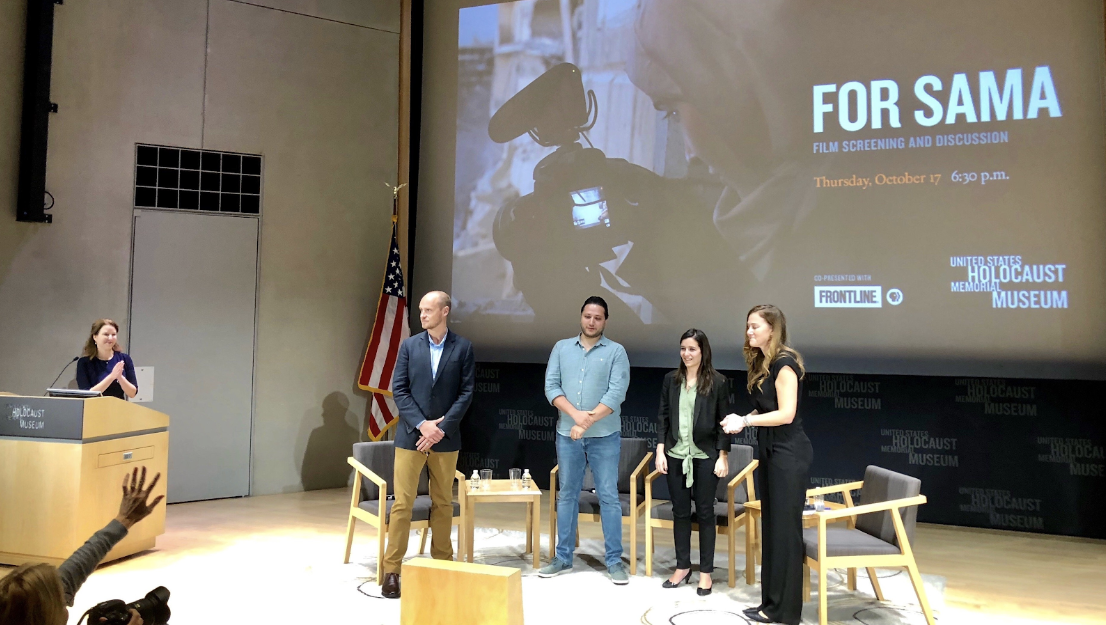
FOR SAMA at the US Holocaust Memorial Museum
On October 17th, 2019 The US Holocaust Memorial Museum in Washington D.C. hosted a screenign of FOR SAMA and a panel discussion with the filmmakers.
The US Holocaust Memorial Museum is living memorial to the Holocaust that inspires citizens and leaders worldwide to confront hatred, prevent genocide, and promote human dignity and the venue is a reminder of the need to combat the human rights atrocities still taking place today, as seen in the film.
Welcome remarks were made by Raney Aronson-Rath, Executive Producer at FRONTLINE PBS, who said “This is much more than just a film: It's an unforgettable journey that places you at the heart of one of the most tragic conflicts of our time."

The evening’s programme encompassed an opening statement to intorduce the film by Ms Halina Peabody, a Holocaust Survivor and Volunteer at the US Holocaust Memorial Museum. Her full speech can be viewed here.

After the film screening, Naomi Kikoler, Director of the Simon-Skjodt Center for the Prevention of Genocide at the Museum, hosted a panel disucssion with Waad al-Kateab, Ed Watts and Dr. Hamza al-Kateab. The Museum’s Simon-Skjodt Center is dedicated to stimulating timely global action to prevent genocide and to catalyze an international response when genocide does occur.
Ms Kikoler closed the discussion by saying “the legacy of this work is going to live on for future generations and you have helped to set a historical record and hopefully it will also help to advance justice and the creation of a more fair Syria, one in which you're able to go home or other colleagues are able to go home, live and thrive in a diverse society, so it's an incredible honor and privilege for us to be able to host you tonight.”

Watch the full discussion on Youtube here.
***
Action for Sama is in an independent campaign by the filmmakers of For Sama, which aims to end the targeting of healthcare facilities and civilians in Syria. To find out more and learn how you can take action, visit actionforsama.com.
Watch For Sama on Channel 4 (UK) and PBS Frontline (US)
MPs Experience For Sama in UK Parliament
On 8 October 2019, a special screening of For Sama and panel discussion with the filmmakers took place in the Attlee suite in Portcullis House, Westminster, marking the official launch of the Action For Sama impact campaign.
In attendance were a number of UK Members of Parliament, representatives from UK-based national and international NGOs and UK-based representatives from policy organisations whose work focuses on Syria.
FOR SAMA was introduced by Channel 4 News Editor Ben de Pear, and post screening, a panel discussion featuring Waad al-Kateab and Edward Watts was moderated by XXXX.
Among those in attendance, several members of Parliament expressed their support for the campaign, including Alison McGovern and Andrew Micthell. Ms McGovern is pictured below with the Action For Sama sign urging governments to take a stand to help #Stop Bombing Hospitals.

Member of Parliament Alison McGovern on 8 October 2019.
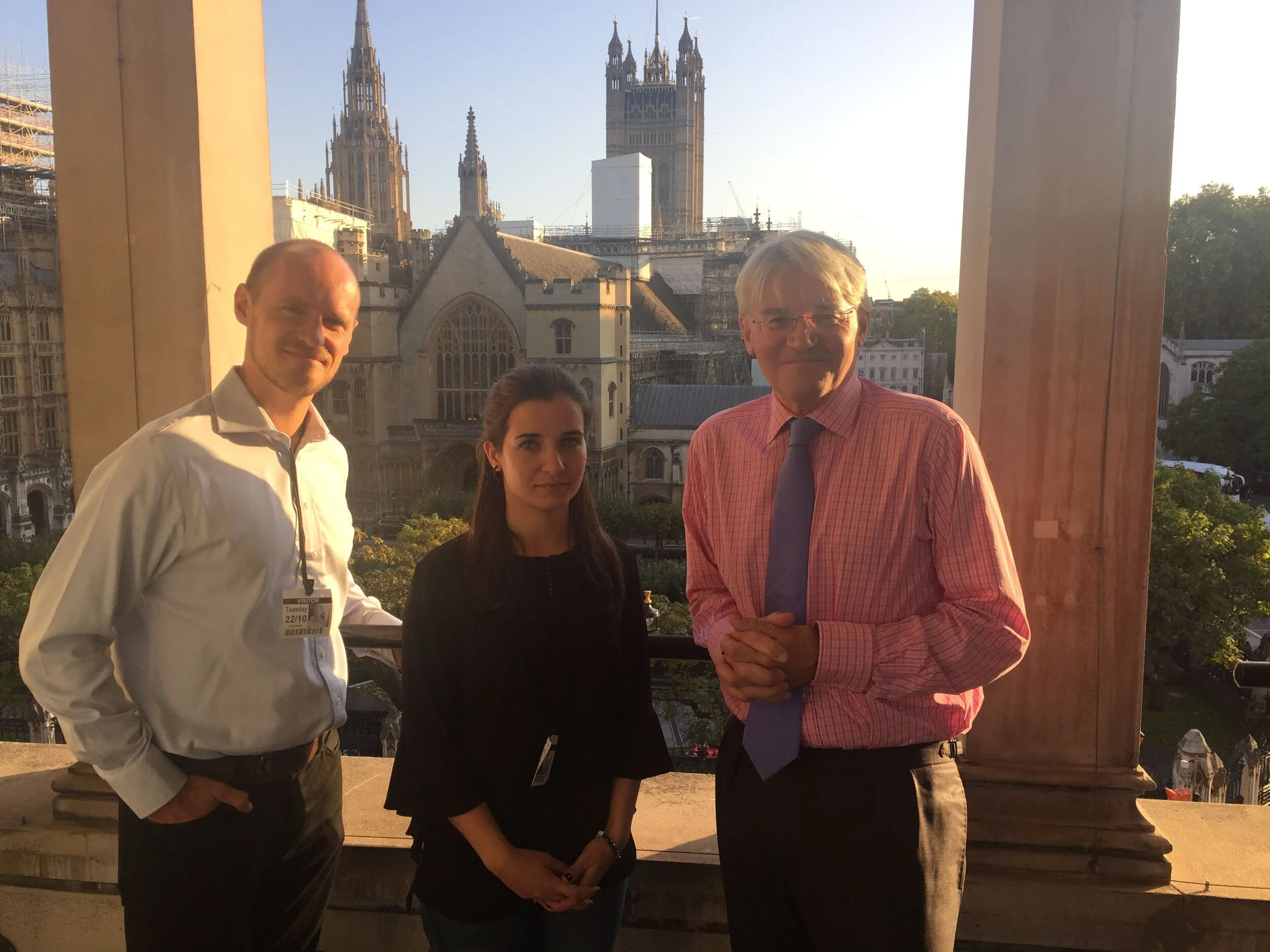
Mr Mitchell voiced his solidarity with the demand to stop impunity and additional conversations with him on the day subsequently led to a meeting with the filmmakers and representatives from Action For Sama campaign at his office.

Edward Watts, Waad al-Kateab and Andrew Mitchell
After this meeting, Mr Mitchell tabled a question in Parliament on 22 October 2019, the details of which are included here:
Question from Mr Mitchell: Tabled on: 22 October 2019
To ask the Secretary of State for Foreign and Commonwealth Affairs, with reference to the decision taken at the National Security Council in 2012 to collect and store evidence of breaches of international humanitarian law perpetrated during the Syrian conflict, what steps the Government is taking to use that evidence to tackle a culture of impunity. (3591)
Answer: Dr Andrew Murrison: Submitted on 28 Oct 2019
The UK is committed to highlighting the appalling violations of international humanitarian law in Syria and to seeing those responsible held to account in the most appropriate jurisdiction. We are providing both political and financial support, including £950,000 to
date, to the work of the UN International Impartial and Independent Mechanism which is gathering evidence for the prosecution of persons responsible for the most serious crimes under international law in Syria. This is part of the over £9 million that the UK has contributed since 2012 in support of efforts to gather evidence and assist victims of human rights abuses and violations.
Action For Sama are committed to engaging Members of the UK Parliament in future conversations to end the culture of impunity around war crimes being committed in Syria and to support the demand for accountability to further the international demands of the campaign. Additional screenings of For Sama as part of advocacy-based engagement for the campaign will be planned for 2020.
***
Action for Sama is in an independent campaign by the filmmakers of For Sama, which aims to end the targeting of healthcare facilities and civilians in Syria. To find out more and learn how you can take action, visit actionforsama.com.
Watch For Sama on Channel 4 (UK) and PBS Frontline (US)
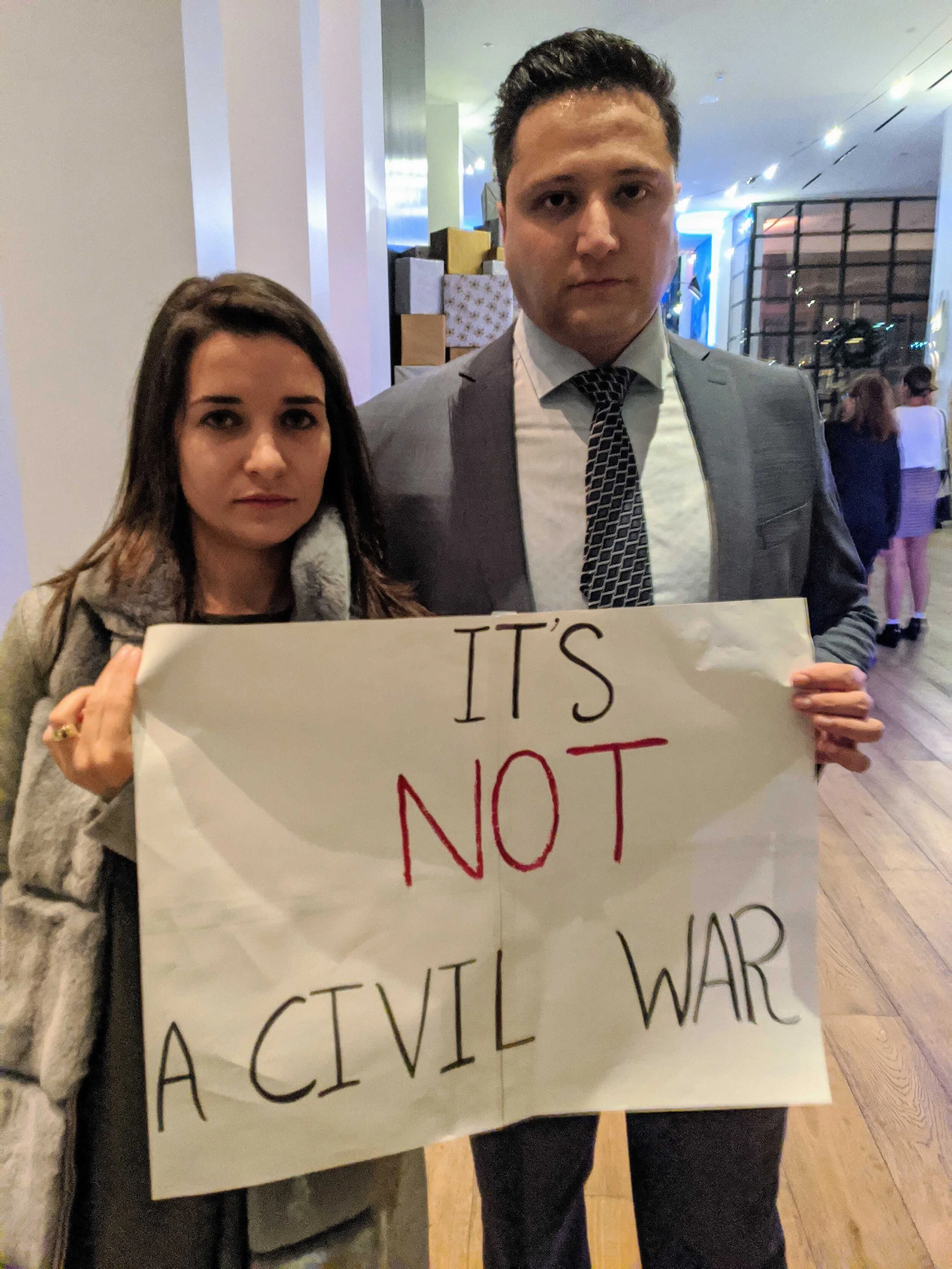
Our Syria: "It is NOT a 'Civil War'"

Waad al-Kateab & Hamza al-Kateab
Written by Waad al-Kateab
"It is not a civil war.”
We see it time and time again. In articles about Syria; articles about us and our film. These articles report the situation in Syria as a ‘civil war’. This is not right. This is misinterpreted information and it can be incredibly dangerous.
We refuse the use of the term “civil war” to describe what happened in Syria and here is exactly why:
- Civil war usually takes place between societal groups on sectarian, racial and ethnic grounds, which is not the case in Syria. What happened in Syria was a popular uprising initiated by all the groups of the society, against a ruling regime to which it responded by deepening the latent contradictions within the Syrian society, by agitating all the pre-civilian feelings and marginal loyalties to the extremes. This included the sectarian, ethnic and class feelings, even the sensitivities between the rural and urban population.
But, all this did not succeed in transforming the conflict in Syria into a “civil war” with the traditional sense of the term, i.e. mobilizing a societal group against another on sectarian grounds. Therefore, describing the conflict in Syria as a “civil war” complies totally with what the Syrian regime was pushing to prove, although it doesn’t apply to what happened in reality.- In one stage of the conflict in Syria, attention was directed mainly on ISIS (Daesh) and other terrorist groups. The whole world started dealing with the situation in Syria from this perspective, insisting, at the same time, to using the term: “Civil War”. Strangely, using this term in this context reflects a false and dangerous perception. It gives the impression that ISIS, a representative of the Sunni sect in Syria, is fighting with all the other Syrian sects, which is completely and definitely untrue.
Many studies dissecting the social and organizational structure of ISIS asserted that it is a strange body not connected to the Syrian society by any means. The chronology of events showed that the Sunnis in Syria were the first who revolted against ISIS- even before the formation of the “International Coalition”.
Lately, the war in Syria developed into a new stage, a war of the strangers on the Syrian ground. Today there are many armies participating in the war in Syria; the Russian, the Iranian, the Turkish, The American and others, confirming the Arab motto: “tyrants allure raiders”, which describe exactly what happened in Syria. Therefore, we can assert that all aspects of the civil war are absent with the state of internationalization and presence of foreign armies on the Syrian soil, and also against the just cause of the Syrian people already supported by the international resolutions, the Geneva Communique and the UNSC Resolution 2254.
Based on this, we can use many terms describing what is taking place in Syria, we can call it a war, a conflict, a struggle, whatever. We classify it as a revolution, and firmly refuse to describe it as a civil war.
In Arabic:
منشوفها دائماً مرّة بعد مرّة, بمقالات عم تحكي عن سوريا, عم تحكي عنا, وعم تحكي عن فلمنا, هي المقالات بتعرّف الوضع
بسوريا على أنو "حرب أهلية" وهاد ما صح, هاد فهم وتعريف خطأ للوضع بسوريا وهو شي خطير كتيرنحنا منرفض مصطلح "حرب أهلية" لتوصف يلي عم يصير بسوريا, وهي الأسباب:
- الحرب الأهليّة تجري عادة بين فئات مجتمعيّة على أسس طائفيّة أو عرقيّة أو قوميّة، وهذا ما لم يحدث في سوريا. ما حدث في سوريا هو انتفاضة شعبيّة شارك فيها مختلف أطياف المجتمع ضد نظام حكم، وقد استجاب لها النظام بأن عمل على تغذية التناقضات جميعها داخل المجتمع السوري وعلى استفزاز المشاعر والانتماءات ما قبل المدنية إلى الحد الأقصى. شمل ذلك المشاعر الطائفية والقومية والطبقيّة وحتى تلك المتعلّقة بالريف بمقابل المدينة، إلا أن كل ذلك لم ينجح في تحويل الحرب في سوريا إلى "حربٍ أهليّة" بالمعنى التقليدي للمصطلح، بما يعني بأنّه اصطفاف فئة مجتمعيّة ضد أخرى على أسس فئوية ضيقة. لذا فإنّ هذا الوصف (الحرب الأهليّة) يوافق تماماً المسار الذي دفع (ويدفع) نحوه النظام السوري، لكنه لا يتناسب مع طبيعة ما جرى.- في مرحلة من مراحل الصراع في سوريا تحول الاهتمام بشكلٍ رئيسي إلى "داعش" والمجموعات الإرهابيّة، وأصبح العالم ينظر إلى الأحداث في سوريا من هذه الزاوية بشكلٍ رئيسي، ويصرّ بذات الوقت على استخدام مصطلح "الحرب الأهلية". المستغرب هنا أن استخدام هذا المصطلح ضمن هذا السياق يعطي صورة مغلوطة وخطيرة، إذ أنه يصوّر داعش على أنها ممثلة لفئة طائفية هي "السنّة" في سوريا والتي تتنازع مع بقية الطوائف، وهذا طبعاً غير صحيح طبعاً. تظهر العديد من الدراسات التي شرّحت البنية المجتمعية والتنظيمية لداعش أنها جسم غريب عن المجتمع السوري، كما أظهرت مجريات الأحداث كيف أنّ السنّة في سوريا كانوا أوّل من انتفض على داعش، حتى قبل تشكيل التحالف الدولي.- تطوّرت الحرب في سوريا واتخذت شكلاً مختلفاً مؤخراً، وأصبحت السمة الأساسيّة لها بأنها حرب الآخرين على أرضنا. هناك اليوم العديد من الجيوش التي تشارك في الحرب في سوريا منها الروسي والإيراني والتركي و الأميركي وغيرهم. كما يقولون فإنّ الطغاة يجلبون الغزاة، وهذا ما حدث تماماً في سوريا. وبالتالي فإنّ السمات "الأهليّة" للحرب هي الأقل حضوراً أمام التدويل والحضور الأجنبي، وأمام القضية العادلة للشعب السوري والذي تصونها المقرّرات الدولية كبيان جنيف وقرار مجلس الأمن 2254.- لذا، يمكن أن نستخدم العديد من المصطلحات في وصف ما يحدث، يمكن أن نقول عنها حرباً، أو صراع، أو فوضى، أو قل ما شئت. نحن نسميها ثورة، ونجزم أنها ليست بالتأكيد حرباً أهلية
***
Action for Sama is in an independent campaign by the filmmakers of For Sama, which aims to end the targeting of healthcare facilities in Syria. To find out more and learn how you can take action, visit actionforsama.com.
Watch For Sama on Channel 4 (UK) and PBS Frontline (US)
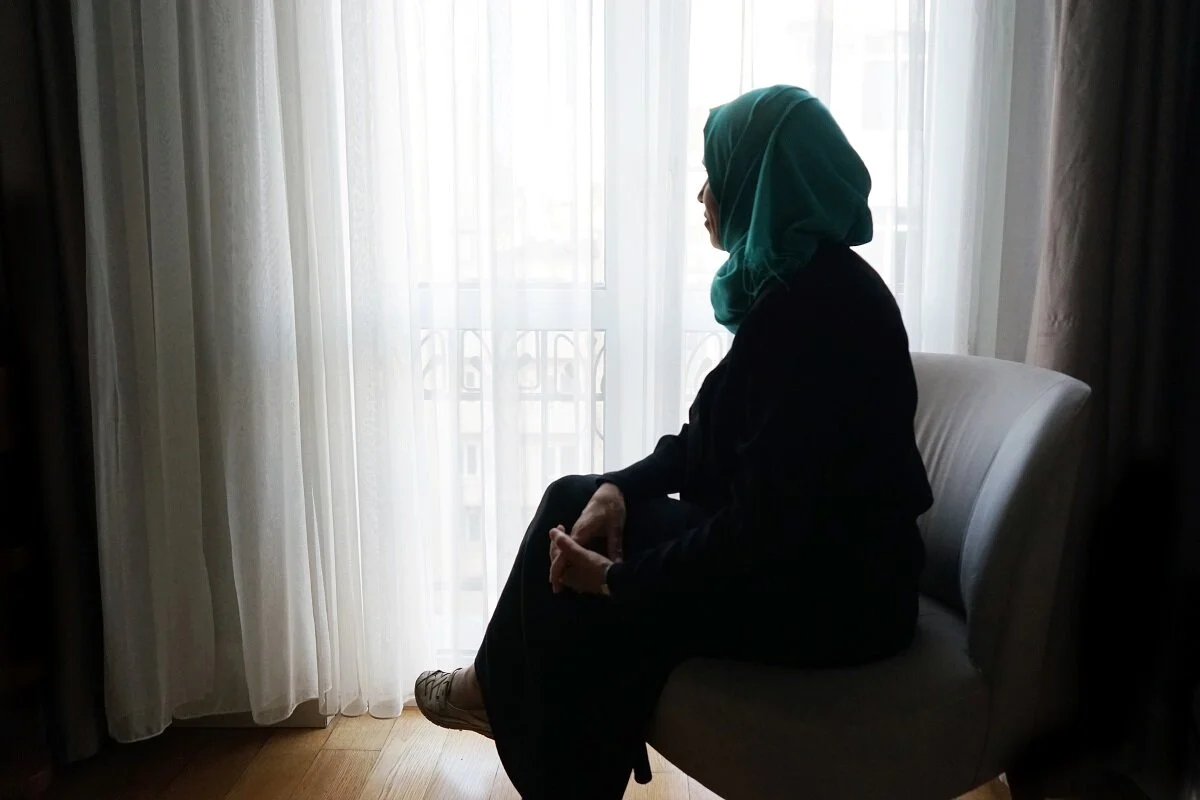
How the Syrian Government Targets Health Workers for Arrest, Detention, and Torture

“My Only Crime Was that I Was a Doctor”
How the Syrian Government Targets Health Workers for Arrest, Detention, and Torture
Source: Physicians for Human Rights
Since 2011, the Syrian government has systematically targeted civilians: besieging and cutting off supplies in opposition-held areas, bombarding densely populated centers, and arresting, detaining, and torturing protesters and their allies. Among the victims of such crimes are Syrian health care workers, targeted for providing medical care to injured civilians during the conflict.

LEILA
PHR’s new report “My Only Crime Is That I Was A Doctor” is the first investigation to document the purposeful, brutal, and illegal strategy of the Syrian government to target health workers for arrest, detention, and torture. PHR conducted semi-structured interviews and brief psychological assessments of 21 Syrian health care workers. These interviewees – physicians, medical volunteers, pharmacists, paramedics, and psychiatrics – were formerly arrested and tortured by the government’s security forces. For months, or even years in some cases, survivors of torture endured daily beatings, public humiliation, and high-voltage electrical shocks.
It’s time for the truth behind the systematic persecution of health workers in Syria to be revealed and made public. Help us share their testimonies and demand accountability for human rights violations.
READ THE FULL REPORT HERE
***
Action for Sama is in an independent campaign by the filmmakers of For Sama, which aims to end the targeting of healthcare facilities in Syria. To find out more and learn how you can take action, visit actionforsama.com.
Watch For Sama on Channel 4 (UK) and PBS Frontline (US)
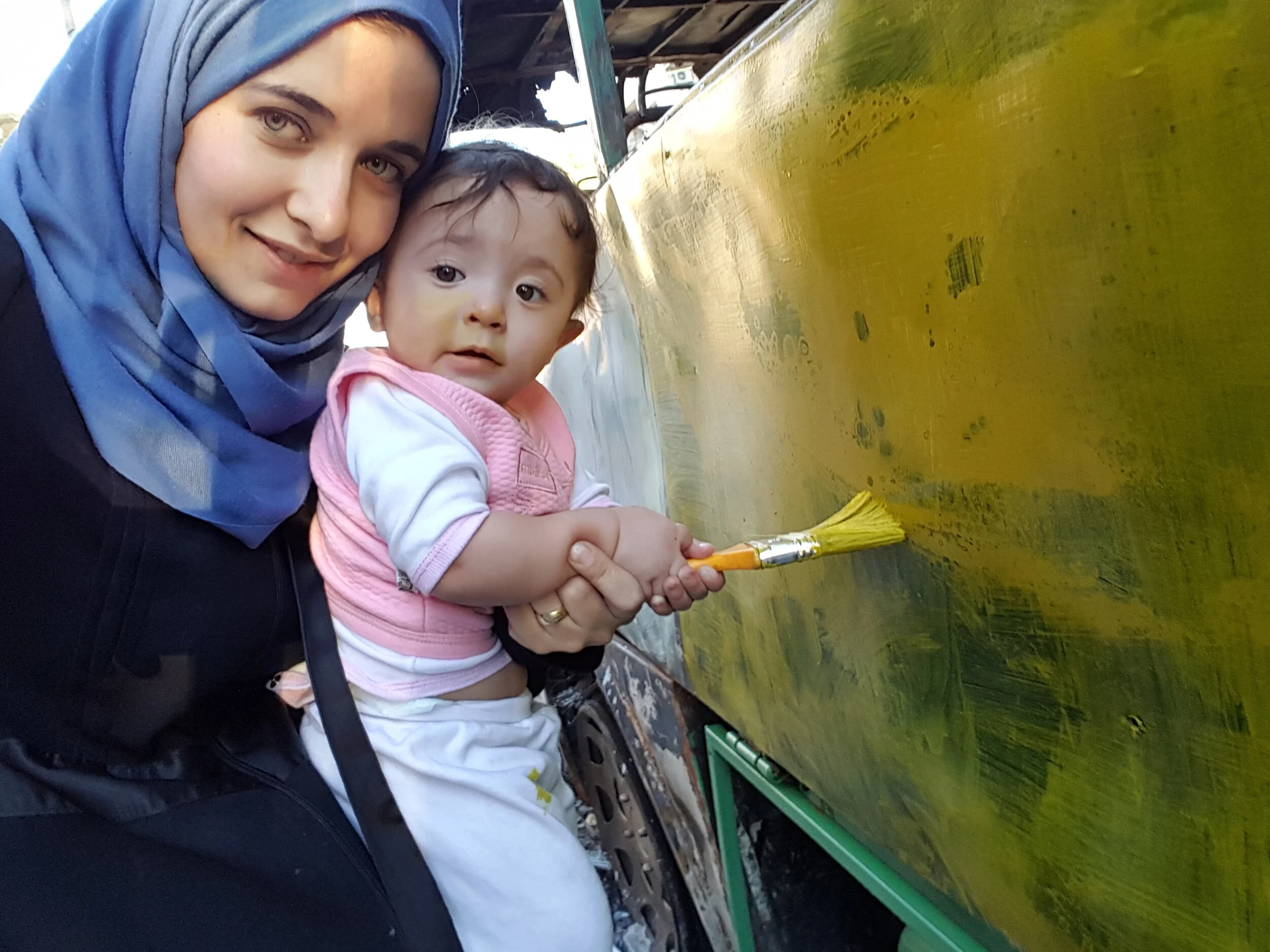
After ‘For Sama,’ a Syrian Family Finds Refuge in London

Source: The New York Times. By Eleanor Stanford. Wednesday 20 November 2019.
As Waad al-Kateab’s intimate documentary about life during the Syrian uprising airs on PBS, she discusses what her family’s day-to-day looks like as refugees in England.
This article contains spoilers for the documentary “For Sama.”
How do you get viewers to care — really care — about things happening on the other side of the world?
This was a question the journalist and filmmaker Waad al-Kateab and her co-director Edward Watts grappled with as they started sifting through 500 hours of footage of the Syrian uprising. Starting in 2011 as a university student, al-Kateab had filmed her life in Aleppo, recording the protests and violence that surged through the city (her footage and reports occasionally ran on Britain’s Channel 4 during the Syrian civil war).
She also documented her wedding day, dinners with friends and her pregnancy, but “I was clear that I wanted the film to be more about the city,” she said in a recent interview. “I didn’t want to be the center of the story.”
But the filmmakers soon realized that a documentary about the mundane as well as the devastating moments of civil war, a film that felt like al-Kateab taking viewers through five years of her family’s life, would create a powerful portrait of a culture’s destruction. “For Sama,” which debuted this week on PBS’s Frontline and is available to stream on the Frontline website and YouTube, is startlingly intimate, combining al-Kateab’s footage with her frank narration about the conflict and her fears surrounding how it will affect her family. (“What a life I’ve brought you into,” she says about her daughter at one point. “Will you ever forgive me?”)
The film closes with al-Kateab, her husband, Hamza, and their daughter Sama safely escaping Aleppo and arriving in Turkey. A second daughter, Taima, is born soon after. Since then, the family has claimed asylum in England, and today they live in London.
“For Sama” had a theatrical release earlier this year, but al-Kateab said over the phone that it was important for her that people could now watch the film in their own homes, and wonder, “What if this happened to me? To the place that I love?”
She also discussed how she hopes the film and the campaign Action for Sama, which raises money to support humanitarian workers in Syria, will keep the ongoing Syrian conflict in the public eye, how her daughters saved her and her husband and what the family’s day-to-day life looks like now. These are edited excerpts from the conversation.
The film is presented as a love letter to your daughter, Sama, but it also feels like an act of resistance, in that you were filming protests the regime claimed weren’t happening.
A lot of people have told me, your activism is something, and the film is something else. But for me, it’s really the same. I would not do this if I wasn’t an activist.
At the beginning of the filmmaking, I was so desperate, and I didn’t know if the film would create any change, and I didn’t want to have any expectations, especially when I had just left [Aleppo]. I lost everything. I didn’t know if I could stand up again. I started to do the film because I felt like it was the only way for me to keep going. I did it just to be a record, even to put in one library and to say this is one story of Syria.
Our hope is that the film is not just a film. People can watch it, but also it’s a tool for change. It can push people to do something. It will not be just something people watch and forget. That is also why we set up Action for Sama, a campaign to stop the targeting of health care facilities in Syria.
Why did you and your husband, Hamza, decide to share so much of your lives with the film’s audience?
Really, I feel like people know very few things about what happened with us. It’s five years. I have like 500 hours of footage. You’ve seen just 95 minutes. So people may feel like they know us really well, but this is just the general things that anyone could know about our life as people who lived in that situation.
People know that people bring children into situations [like the Syrian uprising], but they have thousands of questions about why people do that, so for me, everything personal is really already public.
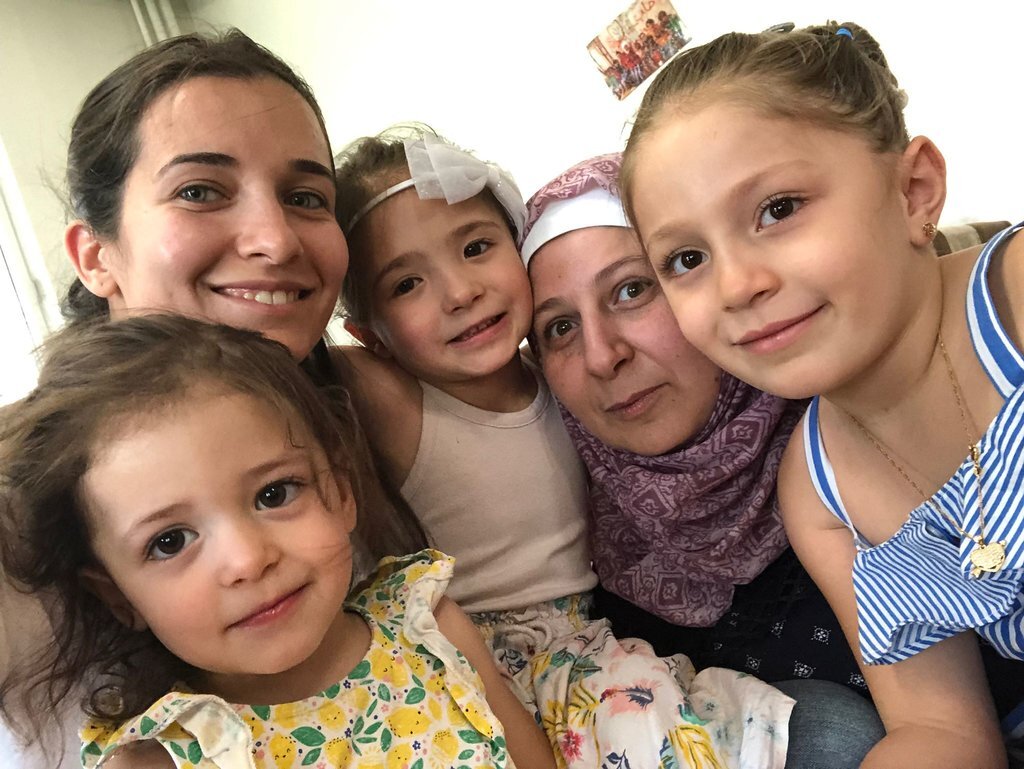
From left, Taima, Waad and Sama al-Kateab with Afraa Hashem and her daughter Naya al Altrash, who also featured in “For Sama.” Waad and her family visited Afraa and her family in Turkey in August this year. Credit: Waad al-Kateab
Stories become more resonant when there is a character to connect with, rather than just facts.
There’s a fear in the whole world about refugees and people who are the other. The film is just fighting this in a very simple way, in that you feel that you know these people, and you care about them. You need them to be like part of your life, or you need to be part of their life.
You and your family are now living in London. How was your experience getting asylum?
Everything was easy for us, not like for other people. I know many people stuck inside Syria now, or in the camps, or in Turkey.
I had been working with Channel 4, so I had access to a visa to come to the U.K. After one year of living in Turkey, in May 2018 we came to Heathrow Airport, and claimed asylum there.
One thing, though, was that when we came to England, I couldn’t bring my second daughter, Taima. She was almost 1 year old, and she had no papers. The only paper I had was from the hospital saying I had had a child, but they didn’t even put the name of the child. I tried to go to the Syrian embassy for help, but they wouldn’t help, because Hamza was wanted by the regime [for his role in the uprising].
My passport, Hamza’s passport and Sama’s passport were almost expired, and once that’s happened, there’s no option to get another passport, so I had no option but to leave. So I left Taima in Turkey for five months until we were granted asylum, and I could bring her to England on a temporary travel permit from the U.K. I try not to think about that time too much. I’m just glad that nightmare is finished.
Do you and your family hope to return to Syria?
Of course. Not just because it would mean seeing my home, but because for all of us who stayed till the end, being out of Syria is not something that we want. But we had no other option.
Even in Turkey, it’s not that good of a life, even if you are safe. You feel that you are besieged in a different way. Your right to stay and your right to leave and your right to do anything, even to work … it’s so hard to have legal things.
We don’t want to be taking money from aid. We want to work. There are a lot of things we can do — Hamza is a doctor. But as refugees, there is nothing stable at all, and you have to just find individual ways to survive.
What has your experience of living in London been?
Moving here didn’t feel like the perfect decision at the time, especially with Brexit. But it has been a very different experience to what I expected. People have been so kind. After my neighbors watched the film on Channel 4, they left great messages outside of my door the next day, it was just so lovely.
For me, Aleppo and Syria will always be my first home, but I really feel like here in England I have a second home.
How connected do you still feel to Syria and the changing political landscape over there?
Making and promoting the film has been good in that you feel like you’re not separate from what’s happening. You’re still fighting and doing something even if you’re out [of Syria]. Even though I’ve had to leave, this has stopped me feeling hopeless.
The film is a chance for Syria to be back in the news, when everyone feels like the world is ignoring what’s happening in Syria. This is our story, and seeing people still caring and engaged, it’s an amazing feeling. With everything that’s happening in Syria, you need all the time to keep pushing back to the same one line: Nothing has changed.
What are your and Hamza’s work plans going forward?
I got a scholarship for university for a masters in media communication and development. I haven’t studied anything now for like seven years, and I was doing marketing before, which is something totally different.
It’s so important for us to think about how media and journalism could be developed in places like Syria. And also, it’s not just that the world was watching us through their perspective, but also we are watching the world from our perspective. There are so many things I want to do, but I can’t complain. That’s one of the advantage of what we went through: You can’t complain.
Hamza is working for a company that provides banking in conflict areas. Next year he will do a masters in public health.
How are the girls enjoying London?
Sama is 4, and Taima is 2 and a half. They’re enjoying everything so much. They switch between English and Arabic — Sama has started correcting our spelling. And she has a British accent, I’m like no, please no! [Laughs.]
Last week was Halloween, and they were celebrating Halloween for the whole month, oh my god. They slept in their witches’ dresses for the whole week.
We had a really hard time after we left [Aleppo] with Sama. She had nightmares. But she’s doing really, really well now. Children surprise you. I’m sure that me and Hamza stand up now because of them. You need to find hope everyday when you wake up, and with children you just keep going for them.