
BLOG

MP ALISON MCGOVERN SHARES STORIES OF FOR SAMA FAMILIES IN POWERFUL SPEECH ON SYRIA
Earlier this week MP Alison McGovern shared our story and messages to politicians, urging them to take action for Syrians.
SPEECH HIGHLIGHTS
“Regret about the past is not enough - we need action. And I want to provide a focus today on the war against humanity that is still raging. The intolerable lack of attention on Syrian children accounting for at least half of the refugees. And on how, even now, we as a United Kingdom can make a difference,” demands Alison.
It is in these moments, watching videos like is, when we feel like we have the world on our side, as Alison fights every day for the protection of Syrian civilians and for accountability of the war crimes committed. And her empathy shines through - she is listening. She is watching. In response to seeing Waad’s footage of Afraa reunited with her family, Alison shared with the room, “That short film shows what we can be, not just a safe haven for those running from terror, but a country that truly understands there are no greater love than the care we show for our children.”
We’re so grateful for Alison’s words and for her sharing them with those who can make a real difference. It makes us realise why it is so important to keep going. It encourages us to shout louder and fight harder.
Closing her speech, Alison addressed the Minister directly, “The first parts of repaying the debts we owe to the Syrian diaspora here in the UK is to listen to them. And I would ask the Minister how he plans to listen to Syrians here in the UK about how they see the future of their country.”
We hope that the Minister will listen. And we hope this video drives many others forward, to step up, speak out and and stand with us for our fight.
Alison and team, thank you.
FULL SPEECH
لكن الندم على الماضي ليس كافياً, نريد أفعالاً وأودّ أن أركّز اليوم على الحرب التي لا تزال مستمرة ضد الإنسانية عدم الإهتمام بشكل غير محتمل بالأطفال السوريين الذين يشكّلون نصف اللاجئين وعن كيف يمكن لنا كمملكة متحدة أن نصنع فرقاً” طالبت أليسفي هذه اللحظات وبمشاهدة هذه الفيديوهات نشعر أنّ العالم يقف معنا, تناضل أليسون بشكل يومي من أجل حماية السوريين المدنيين ومن أجل الوصول للمحاسبة حيال الجرائم المرتكبة, يظهر تعاطفها العميق بشكل واضح, تستمع بشكل جيد, تشاهد بشكل جيد, وبعد رؤية ما صوّرته وعد عن لم شمل عفراء مع عائلتها علّقت أليسون في كلمتها بالتالي “ الفيلم القصير يظهر ما يمكننا أن نكون, لا ملاذ آمن للهاربين من الرعب فحسب, بل بلداً يدرك بشكل جيد بأنه لا يوجد حب حقيقي كالرعاية التي نظهرها لأطفالنا” أليسون
ممتنّون جداً للكلمات التي قالتها أليسون ولمشاركتهن مع الأشخاص الذين يستطيعون تغيير الواقع هذا يخبرنا بأهمية متابعة النضال ويشجعنا على رفع أصواتنا والنضال بشكل أقوى
في ختام كلمتها, أليسون تحادث الوزير بشكل مباشر “أول خطوة لدفع الدين الذي ندينه للسوريين المهجرين هنا في المملكة المتحدة هو أن نستمع إليهم, وأرغب بسؤال الوزير كيف سيخطط للإستماع للسوريين هنا في المملكة المتحدة حول كيف يرون مستقبل بلادهم. أليسون
نأمل بأن يستمع الوزير, ونأمل بأن يقوم هذا الفيديو بتشجيع الآخرين أن يتحدّثوا بجرأة, ويقفوا معنا في نضالنا
شاهدوا هالكلمة القوية يلي ألتقها عضوة البرلمان البريطاني (أليسون ماكغوفرين) يلي حكت عن قصتنا, وحثّت السياسيين أنو يتحركوا ويعملوا شي للسوريين.
بهي اللحظات منشعر أنو العالم واقف معنا, وقت منشوف أليسون عم تناضل كل يوم من أجل حماية المدنيين السوريين, ومن أجل الوصول للعدالة عن الجرائم المرتكبة, عم توصل أصواتنا للناس يلي فعلاً بأيدها تعمل شي يغيّر الواقع, ومنتمنى أنو ناس تانية يشاركوها يلي عم تعملوا ويدعمونا
ممتنين جداً لأليسون وفريقها على العمل الرائع يلي عم يعملوه, عم يخلونا نتذكر ليش من المهم أنو نكمل نضالنا, وعم يحفّزونا أنو نعلّي صوتنا أكتر ونناضل بشكل أقوى
أليسون وفريقها, شكراً

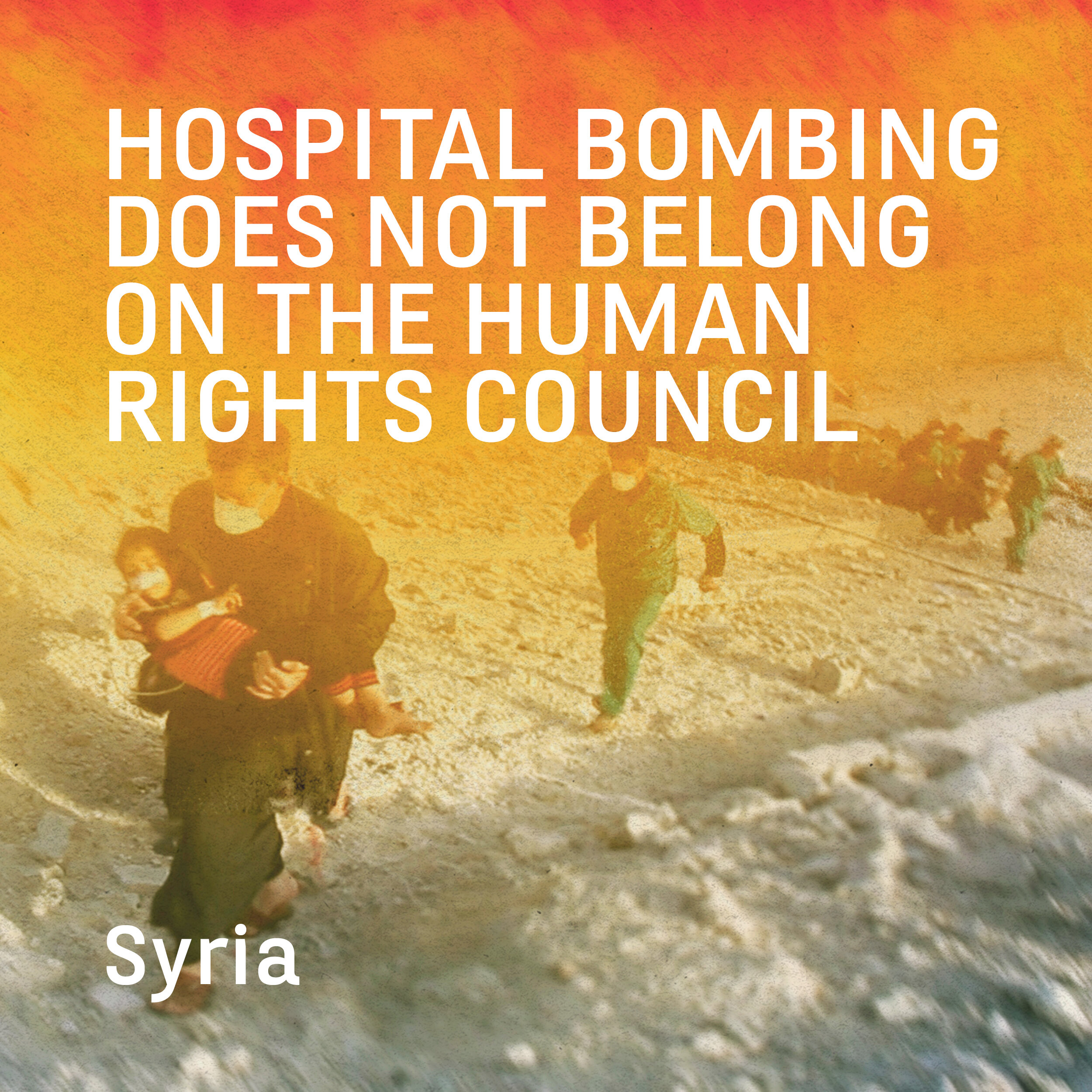
No place for international human rights abuser Russia on the UN Human Rights Council
Action For Sama has joined with 40 organisations to demand that members of the Human Rights Council DO NOT allow Russia to take a place.
Read the joint letter below and add your voice by signing the petition.


Joint letter + Signatories
The United Nations General Assembly will elect new members for the Human Rights Council in October 2020. Russia is running in a closed slate together with Ukraine for two seats, virtually granting Russia a seat at the Human Rights Council without scrutiny and challenge.
The undersigned organizations call upon the UN Member States to not vote in favor of Russia as a message that human rights violations in a number of countries cannot go unpunished, and that Russia should not see its election and membership of the Human Rights Council as a reward to further impunity for the human rights violations committed in Syria, Ukraine, and Georgia.
UN General Assembly Resolution 60/251 asks that those voting for members of the Human Rights Council “take into account the contribution of candidates to the promotion and protection of human rights.” This guidance applies to candidates’ efforts to protect and promote human rights in their own countries and abroad. However, as referenced below, Russia’s actions in Syria, Ukraine, and Georgia stand in clear contrast to the Human Rights Council’s commitment to human rights.
The UN Member States should particularly take into consideration Russia’s indiscriminate attacks and war crimes in Syria and its ongoing efforts to prevent accountability for human rights violations in Syria; Russia’s occupation of Crimea and ongoing human rights violations in Crimea and the Donbas (Ukraine), Russia’s military invasion and occupation of Georgia’s two-breakaway territories, continued grave human rights violations against Georgian population in the occupied regions, and creeping borderization inside the Georgian territories.
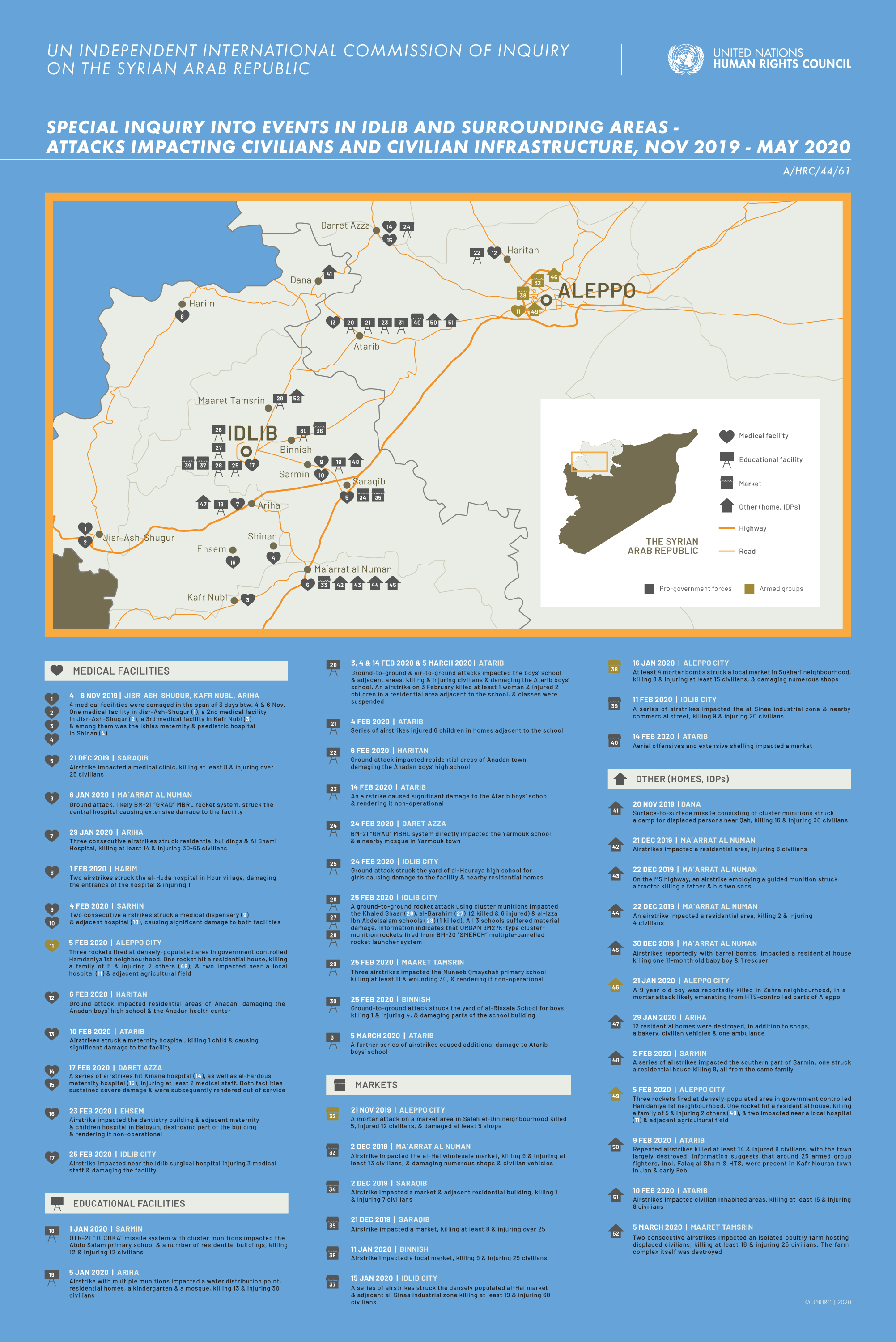
Since the military intervention of Russia in Syria in 2015, Russian-Syrian military joint operations had committed indiscriminate attacks against civilians, protected sites, and civilian infrastructure in Aleppo1, Eastern Ghouta2, and Idlib3 in Syria. In March and July 2020, the UN Independent and International Commission of Inquiry on the Syrian Arab Republic4 had found Russian forces directly responsible for war crimes in Idlib and provided further and detailed information on the role of Russia in committing war crimes and aiding the Syrian government in conducting airstrikes against civilians and the civilian population in Idlib5. It is shocking that a State found responsible for war crimes by an HRC investigation mechanism should be granted a seat in the same UN venue without scrutiny from the international community.
Protection of civilians in Syria and fulfillment of victims’ rights for justice have been averted by the continuous efforts of Russia to prevent impartial accountability for crimes in Syria, abusing its veto power and using it in contexts of war crimes and crimes against humanity (in defiance of the ACT Code of Conduct for the Responsibility to Protect6), for instance with a veto to refer Syria to the ICC in 20147, additionally using a veto to cancel a UN inquiry mechanism on the use and adjudication of responsibility for the use of chemical weapons in 20178 and more recently its withdrawal from the deconfliction mechanisms9 to protect hospitals, schools and other civilian infrastructure from indiscriminate attacks in Syria, and its veto on the cross-border humanitarian aid delivery authorization10.
Since occupying Crimea in 2014 Russia has pursued a policy of changing the peninsula’s demographic composition. This is being done, among other things, through illegal transfer of Russian citizens11 to the occupied territory of Crimea as well as through expulsion12 of representatives of Ukrainian, Crimean Tatar13 and other ethnicities that are opposed to the occupation. Arbitrary detentions, torture and interrogations of journalists and bloggers14 as well as systematic freedom of speech15 violations have become common practice for the occupying authorities.
In 2014 open hostilities broke out in eastern Ukraine against the militants of the self-proclaimed Donetsk and Luhansk People’s Republics, which are unofficially supported by Russia16 . Russia has been providing them17 with armaments and funds as well as carrying out political coordination of the republics’ actions, while Russian troops have been directly involved in the conflict18. The presence of Russian troops in Donbas indicates Russia’s involvement in an international armed conflict19. According to the UN, the number of victims has already reached 40 thousand (including 13 thousand killed)20. According to the UN Human Rights Monitoring Mission’s report Human Rights in the Administration of Justice in Conflict-Related Criminal Cases in Ukraine April 2014 – April 202021 published on 27 August 2020, the most widespread violations in the temporarily occupied territories of Donbas and Crimea are abductions, torture22 and lack of effective legal remedies23.
In August 2008, Russian previous aggressive policy of supporting secessionist movements in Georgia’s two territories of Abkhazia and South Ossetia, climaxed into the military invasion and subsequent recognition of the two so called independent republics. This marked the first instance of forceful change of borders in Europe since World War II, in grave violation of international law and practice. The military actions against Georgian armed forces resulted in 408 immediate casualties and 20,000 displaced persons24. What is more, the subsequent steps on those territories have taken the form of effective ethnic cleansing, when the houses formerly owned by ethnic Georgians are being annihilated in an attempt to change the history and erase the past.25
Unfortunately, this human tragedy is not over and continues as we speak, with the Russian armed forces advancing further into the territory of Georgia, occupying houses, gardens and pastures of the local population, kidnapping them regularly and depriving them the possibility to visit the houses of worship and the cemeteries of their ancestors26. Those ethnic Georgians living beyond the occupation line – most of them ill or extremely old – are in even worse condition, with their daily lives heavily disrupted and gravely endangered.
Under UN General Assembly Resolution 60/251, which established the Human Rights Council, members elected to the council “shall uphold the highest standards in the promotion and protection of human rights” and “fully cooperate with the council.”
As part of its 2020 campaign for election to the Human Rights Council, in January 2020 Russia published a position paper27 with a pledge to “ensure the protection of human rights and freedoms under international law and in strict compliance by States with their international human rights obligations”. Russia’s ongoing cooperation with the Syrian government in indiscriminate attacks over the civilian population and attempts to prevent impartial accountability in Syria; its military occupation of Crimea and ongoing human rights violations in Crimea and Donbas (Ukraine),its occupation of Abkhazia and South Ossetia (Georgia) and ongoing human rights abuses against etnic Georgians, do not fulfill the terms of the pledge.
Electing Human Rights Council members that are truly committed to improve and respect human rights is the responsibility of each UN Member State as provided in Article 8 of the UNGA resolution 60/251. Russia will be granted a seat at the Human Rights Council only because of its candidacy in a closed slate context without the much-needed scrutiny and challenge.
The undersigned organizations call upon the UN Member States to not vote in favor of Russia, in order to send a clear message that human rights violators undermine the UN Human Rights Council and that they are not legitimate members of the Council.
Signatories
Action For Sama campaign
Atlantic Council of Georgia
Caesar Families Association
Cairo Institute for Human Rights Studies
Center for Civil Liberties (Ukraine)
Dawlaty
Democratic Republic Studies Center
Educational Human Rights House Chernihiv (EHRHC)
Families for Freedom
Foundation to Restore Equality and Education in Syria
Fraternity Foundation for Human Rights (FFHR-Birati)
Human Rights Guardians
Human Rights House Chernihiv – Ukraine
Human Rights House Crimea
Human Rights House Tbilisi on behalf of its member organizations:
Georgian Centre for Psychosocial and Medical Rehabilitation of Torture Victims (GCRT)
Media Institute
Human Rights Center (HRIDC)
Rights Georgia
Sapari
Impunity Watch
Kawakbi Center for Transitional Justice and Human Rights
Media Development Foundation
Musawa
SHAML Syrian CSOs Coalition
Society and Banks
Syria Civil Defence (The White Helmets)
Syrian Lawyers Aggregation
Syrian Network for Human Rights (SNHR)
Syrian Women Political Movement
TEVNA KURDÎ
The Libyan Center for Freedom of Press
The National Commission on Detainees and Missing Persons
The Rehabilitation Centre for Victims of Torture EMPATHY
The Syria Campaign (TSC)
The Syrian Center for Media and Freedom of Expression (SCM)
Transparency International Georgia (TI Georgia)
Tunisian Forum for Economic and Social Rights
Union of Medical Care and Relief Organizations (UOSSM)
Women Now for Development
World Experience for Georgia
Arabic version

يثير دور روسيا في انتهاكات حقوق الإنسان والإفلات من العقاب تساؤلات حول شرعية مقعد لها في مجلس حقوق الإنسان المستقبلي
رسالة مشتركة
05 تشرين أول/ أكتوبر 2020
سوف تنتخب الجمعية العامة للأمم المتحدة أعضاء جدد لمجلس حقوق الإنسان في تشرين الأول/ أكتوبر 2020. وتعمل روسيا مع أوكرانيا ضمن قائمة مغلقة لشغل مقعدين، ما يمنح روسيا فعلياً مقعداً في مجلس حقوق الإنسان دون تدقيق أو اعتراض.
تدعو المنظمات الموقعة أدناه الدول الأعضاء في الأمم المتحدة إلى عدم التصويت لصالح روسيا كرسالة مفادها أن انتهاكاتها لحقوق الإنسان في عدد من البلدان لا يمكن أن تمر دون عقاب، وأن انتخاب روسيا كعضو في مجلس حقوق الإنسان لا يعني أنه يمكنها الإفلات من العقاب على انتهاكاتها لحقوق الإنسان في سوريا وأوكرانيا وجورجيا وروسيا نفسها.
يطالب قرار الجمعية العامة للأمم المتحدة 60/251 بأن يأخذ المصوتون لأعضاء مجلس حقوق الإنسان “في حسبانهم مساهمة المترشحين في تعزيز حقوق الإنسان وحمايتها“. تنطبق هذه الإرشادات على جهود المرشحين لحماية وتعزيز حقوق الإنسان في بلدانهم وخارجها. ولكن تصرفات روسيا في سوريا وأوكرانيا وجورجيا تتناقض تماماً مع التزام مجلس حقوق الإنسان بحقوق الإنسان.
يجب على الدول الأعضاء في الأمم المتحدة أن تأخذ بعين الاعتبار، بشكل خاص، الهجمات العشوائية وجرائم الحرب الروسية في سوريا وجهودها المستمرة لمنع المحاسبة على انتهاكات حقوق الإنسان في سوريا؛ واستمرار الاحتلال الروسي لشبه جزيرة القرم والانتهاكات المستمرة لحقوق الإنسان في شبه جزيرة القرم ودونباس (أوكرانيا)، والغزو العسكري الروسي واحتلال الأراضي الجورجية، والانتهاكات الجسيمة لحقوق الإنسان ضد السكان الجورجيين في المناطق المحتلة، والزحف الحدودي داخل الأراضي الجورجية.
منذ التدخل العسكري الروسي في سوريا عام 2015، نفذت العمليات العسكرية الروسية–السورية المشتركة هجمات عشوائية ضد المدنيين والمواقع المحمية والبنية التحتية المدنية في حلب[1] والغوطة الشرقية[2] وإدلب[3] في سوريا. في آذار/ مارس وتموز/ يوليو 2020، وجدت لجنة التحقيق الدولية المستقلة التابعة للأمم المتحدة بشأن الجمهورية العربية السورية[4] أن القوات الروسية مسؤولة بشكل مباشر عن جرائم حرب في إدلب وقدمت معلومات إضافية ومفصلة عن دور روسيا في ارتكاب جرائم حرب ومساعدة الحكومة السورية في شن غارات جوية على المدنيين والسكان المدنيين في إدلب[5]. إنه لأمر مروع أن تُمنح دولة مسؤولة عن جرائم حرب من قبل آلية تحقيق تابعة لمجلس حقوق الإنسان، مقعداً في نفس المجلس دون تدقيق من المجتمع الدولي.
تمت عرقة حماية المدنيين في سوريا وإعمال حقوق الضحايا في العدالة من خلال الجهود المستمرة التي تبذلها روسيا لمنع آلية تحقيق مساءلة محايدة حول الجرائم في سوريا، وإساءة استخدام حق النقض (فيتو) واستخدامه في سياق جرائم الحرب والجرائم ضد الإنسانية في خرق لمدونة قواعد السلوك الخاصة بمسؤولية الحماية (ACT)[6]، على سبيل المثال تم استخدام حق النقض ضد مشروع إحالة سوريا إلى المحكمة الجنائية الدولية في عام 2014 [7]، بالإضافة إلى استخدام حق النقض لإلغاء آلية تحقيق تابعة للأمم المتحدة بشأن استخدام الأسلحة الكيماوية والفصل فيها في عام 2017 [8]، ومؤخراً انسحابها من آلية تحييد المرافق الإنسانية عن الصراع[9] لحماية المستشفيات والمدارس والبنية التحتية المدنية الأخرى من الهجمات العشوائية في سوريا، واستخدمت حق النقض ضد إذن إيصال المساعدات الإنسانية عبر الحدود[10].
منذ احتلالها شبه جزيرة القرم في عام 2014، اتبعت روسيا سياسة تغيير التركيبة السكانية لشبه الجزيرة. وتقوم بذلك من خلال النقل غير القانوني للمواطنين الروس[11] إلى الأراضي المحتلة لشبه جزيرة القرم من خلال التفجيرات[12]، وكذلك من خلال طرد المواطنين الأوكرانيين وتتار القرم[13] وغيرهم من الأعراق المعارضة للاحتلال. أصبحت عمليات الاعتقال التعسفي والتعذيب والاستجواب للصحفيين والمدونين[14]، فضلاً عن الانتهاكات المنهجية لحرية التعبير[15]، ممارسة شائعة لدى سلطات الاحتلال الروسية.
في عام 2014، اندلعت الأعمال العدائية المفتوحة في شرق أوكرانيا ضد مسلحي جمهوريتي دونيتسك ولوهانسك المعلنتين ذاتياً، واللتين تدعمهما روسيا بشكل غير رسمي[16]. كانت روسيا تزود المسلحين بالأسلحة والأموال[17]، فضلاً عن تنفيذ التنسيق السياسي لأعمال الجمهوريين، بينما تشارك القوات الروسية بشكل مباشر في الصراع[18]. يشير وجود القوات الروسية في دونباس إلى تورط روسيا في نزاع مسلح دولي[19]. وفقاً للأمم المتحدة، وصل عدد الضحايا بالفعل إلى 40 ألفاً (بينهم 13 ألف قتيل)[20]. وفقاً لتقرير بعثة مراقبة حقوق الإنسان التابعة للأمم المتحدة في إدارة العدل في القضايا الجنائية المتعلقة بالنزاع في أوكرانيا نيسان/ أبريل 2014 – نيسان/ أبريل 2020 المنشور في 27 آب/ أغسطس 2020 [21] ، فإن الانتهاكات الأكثر انتشاراً في الأراضي المحتلة مؤقتاً في دونباس وشبه جزيرة القرم هي عمليات الاختطاف[22]. والتعذيب والافتقار إلى سبل الانتصاف القانونية الفاعلة[23].
في آب/ أغسطس 2008، بلغت السياسة العدوانية الروسية السابقة لدعم الحركات الانفصالية في منطقتي أبخازيا وأوسيتيا الجنوبية في جورجيا ذروتها في الغزو العسكري والاعتراف اللاحق بما يسمى بالجمهوريتين المستقلتين. كان هذا أول مثال على تغيير الحدود بالقوة في أوروبا منذ الحرب العالمية الثانية، في انتهاك خطير للقانون والممارسات الدولية. أسفرت العمليات العسكرية ضد القوات المسلحة الجورجية عن 408 لقوا حتفهم بشكل فوري، وتهجير 20 ألف شخص، كما اتخذت الخطوات اللاحقة على تلك الأراضي شكل التطهير العرقي الفاعل[24]، حيث دمرت المنازل التي كانت مملوكة سابقاً لجورجيين في محاولة لتغيير التاريخ ومحو الماضي[25].
للأسف، هذه المأساة الإنسانية لم تنته ولا تزال مستمرة، حيث تتقدم القوات المسلحة الروسية في أراضي جورجيا، وتحتل منازل ومزارع ومراعي السكان المحليين، وتقوم بالخطف وتحرم النازحين من زيارة دور العبادة ومقابر أجدادهم. والجورجيون الذين يعيشون خارج خط الاحتلال[26] – معظمهم مرضى أو كبار السن – هم في حالة أسوأ، حيث تتعطل حياتهم اليومية بشدة وتتعرض لخطر شديد.
بموجب قرار الجمعية العامة للأمم المتحدة 60/251، الذي أنشئ بموجبه مجلس حقوق الإنسان، يجب على الأعضاء المنتخبين في المجلس “الالتزام بأعلى المعايير في تعزيز وحماية حقوق الإنسان” و“التعاون الكامل مع المجلس“.
كجزء من حملتها الانتخابية لعام 2020 لعضوية مجلس حقوق الإنسان، نشرت روسيا في كانون الثاني/ يناير 2020 ورقة موقف[27] تتضمن تعهداً “بضمان حماية حقوق الإنسان والحريات بموجب القانون الدولي والامتثال الصارم من قبل الدول لالتزاماتها الدولية في مجال حقوق الإنسان“. تعاون روسيا المستمر مع الحكومة السورية في الهجمات العشوائية على السكان المدنيين ومحاولات منع أي آلية مساءلة محايدة في سوريا؛ احتلالها العسكري لشبه جزيرة القرم، وانتهاكاتها المستمرة لحقوق الإنسان في شبه جزيرة القرم ودونباس (أوكرانيا)، واحتلالها لأبخازيا وأوسيتيا الجنوبية (جورجيا)، وانتهاكاتها المستمرة لحقوق الإنسان ضد الجورجيين، لا تفي بشروط تلك التعهدات.
إن انتخاب أعضاء مجلس حقوق الإنسان الملتزمين حقاً بتحسين حقوق الإنسان واحترامها هو مسؤولية كل دولة عضو في الأمم المتحدة على النحو المنصوص عليه في المادة 8 من قرار الجمعية العامة للأمم المتحدة 60/251. لن تُمنح روسيا مقعداً في مجلس حقوق الإنسان إلا بسبب ترشحها في سياق قائمة مغلقة دون أي تمحيص أو عوائق.
تدعو المنظمات الموقعة أدناه الدول الأعضاء في الأمم المتحدة إلى عدم التصويت لصالح روسيا، من أجل إرسال رسالة واضحة مفادها أن منتهكي حقوق الإنسان يقوضون مجلس حقوق الإنسان التابع للأمم المتحدة وأنهم ليسوا أعضاء شرعيين في المجلس.
المنظمات الموقعة:
اتحاد تنسيقيات السوريين حول العالم
اتحاد منظمات الرعاية الإغاثة الطبية
الحركة السياسية النسوية السورية
الخبرة العالمية من أجل جورجيا
الدفاع المدني السوري (الخوذ البيضاء)
الشبكة السورية لحقوق الإنسان (SNHR)
المجلس الأطلسي لجورجيا
المركز السوري للإعلام وحرية التعبير
المركز الليبي لحرية الصحافة
المنتدى التونسي للحقوق الاقتصادية والاجتماعية
الهيئة الوطنية للدفاع عن المعتقلين والمفقودين
تجمع المحامين السوريين
تحرك من أجل سما
تفنا كوردي
حُماة حقوق الإنسان
حملة من أجل سوريا
دار حقوق الإنسان في تشيرنيهيف – أوكرانيا
دولتي
رابطة عائلات قيصر
شمل تحالف منظمات المجتمع المدني السوري
عائلات من أجل الحرية
مؤسسة إعادة المساواة والتعليم في سوريا
مؤسسة التآخي Birati لحقوق الإنسان
مؤسسة تطوير الإعلام
مركز القاهرة لدراسات حقوق الإنسان
مركز الكواكبي للعدالة الانتقالية وحقوق الإنسان
مركز تأهيل ضحايا التعذيب (إمباثي) – جورجيا
مركز حقوق الإنسان
مركز دراسات الجمهورية الديمقراطية
مساواة
منظمة الشفافية الدولية – جورجيا
منظمة المجتمع والبنوك – جورجيا
منظمة مراقبة الإفلات من العقاب (إمبيونتي واتش)
النساء الآن من أجل التنمية
دار حقوق الإنسان في القرم – أوكرانيا
دار حقوق الإنسان في تبليسي ، نيابة عن المنظمات الأعضاء فيها:
المركز الجورجي لإعادة التأهيل النفسي والاجتماعي والطبي لضحايا التعذيب (GCRT)
معهد الإعلام
مركز حقوق الإنسان (HRIDC)
حقوق جورجيا
ساباري.
يمكنكم/ن التوقيع على العريضة هنا
References:
HRW, “Russia/Syria: War Crimes in Month of Bombing Aleppo: UN General Assembly Should Organize Emergency Special Session” (December 1, 2016)
HRW, “Russia/Syria: Airstrikes, Siege Killing Civilians: Allow Urgent Aid Into Besieged Eastern Ghouta and End Indiscriminate Attacks” (December 22, 2017)
Amnesty International, “Nowhere Is Safe For Us: Unlawful Attacks and Mass Displacement in North-West Syria”, (May 2020)
Report of the Independent International Commission of Inquiry on the Syrian Arab Republic, A/HRC/43/57 (January 2020)
Independent International Commission of Inquiry on the Syrian Arab Republic, “Special Inquiry Into Events in Idlib and Surrounding Areas – Attacks Impacting Civilians and Civilian Infrastructure (November 2019- May 2020)
Responsibility to Protect, “The ACT of Conduct”
HRW, “UN Security Council Vetoes Betray Syrian Victims: In Face of Mounting Pressure, Russia, China Block ICC Referral”, (May 12, 2014)
The Guardian, “Russia uses veto to end UN investigation of Syria chemical attacks”, (October 24, 2020)
Reuters, “Russia quits U.N. system aimed at protecting hospitals, aid in Syria” (June 25, 2020)
Reuters, “Russia, China veto U.N. approval of aid deliveries to Syria from Turkey” (July 8, 2020)
RCHR, UHHRU, CHROT, the thematic review of the human rights situation under occupation “Crimea beyond rules”: Transfer by the Russian Federation of parts of its own civilian population into the occupied territory of Ukraine
RCHR, UHHRU, CHROT, the research of Special issue of the thematic review “Crimea beyond rules”: Forcible Expulsion of the Civilian Population from the Occupied Territory by Russia
Parliamentary Assembly of the Council of Europe. Resolution 2198, Humanitarian consequences of the war in Ukraine (2018)
CHRG, Сhronology of pressing the freedom of speech in Сrimea
RCHR, UHHRU, CHROT, the thematic review of the human rights situation under occupation “Crimea beyond rules” Issue No 4 Information occupation
The BBC, “Russian soldiers ‘dying in large numbers’ in Ukraine – Nato”, (March 5, 2015)
Parliamentary Assembly of the Council of Europe. Resolution 2198, Humanitarian consequences of the war in Ukraine (2018)
Parliamentary Assembly of the Council of Europe. Resolution 2214, Humanitarian needs and rights of internally displaced persons in Europe (2018)
ICC, The Office of the Prosecutor, Report on Preliminary Examination Activities (2019)
The Office of the United Nations High Commissioner for Human Rights, Report on the human rights situation in Ukraine 16 November 2018 to 15 February 2019
The Office of the United Nations High Commissioner for Human Rights, Report on Human Rights in the Administration of Justice in Conflict-Related Criminal Cases in Ukraine April 2014 – April 2020
UHHRU, RCHR, MIHR, Alternative report for the UN Committee against Torture 64th session «REVIEW OF THE RUSSIAN FEDERATION COMPLIANCE WITH THE CONVENTION AGAINST TORTURE AND OTHER CRUEL, INHUMANE AND DEGRADING TREATMENT OR PUNISHMENT»
EHRH, RCHR, RCHRights (CReDO), UHHRU, HRF «Public Alternative», HRIC, Report “Crimean Process: Observance of Fair Trial Standards in Politically Motivated Cases”
IDFI, Information Regarding the 2008 August War Between Russia and Georgia, (7 August 2015)
https://russianoccupation.ge/
Transparency International Georgia, Transparency International Georgia is filing an application with ECHR against Russia to protect property rights of 11 individuals (12 August 2016)
Candidacy of the Russian Federation for election to the United Nations Human Rights Council for 2021-2023 (January 29, 2020)

Join the new campaign - #donotsuffocatetruth
بكرا, 21 آب بالذكرى السابعة لهجوم الكيماوي على الغوطة الشرقية, أنا وبناتي رح نشارك بحملة مناصرة رح تصير سنوياً, للحديث عن هجمات النظام السوري بالسلاح الكيماوي على سوريا
#لا_تخقنوا_الحقيقة
منتمنى تكونو قادرين تشاركو معنا بالحملة عن طريق الخطوات التالية
وعد
#DONOTSUFFOCATETRUTH

اضغط على الصورة لتحميل تصميم الوردة

CLICK ON THE IMAGE TO DOWNLOAD THE FLOWER DESIGN
رح نبدأ هالسنة بيوم 21 آب طقس سنوي نوزع فيه وردة صفرا بكل مكان متواجدين فيه نحن السوريين مع ورقة بتحكي عن مجازر الكيماوي
قبل سبع سنين وتحديداً بيوم ٢١ آب ٢٠١٣ صحينا على خبر جريمة الكيماوي بالغوطة الشرقية، وكانت صدمة كبيرة النا كسوريين وجرح عميق ما بينتسى
كتيرين خسروا أحبابهن وأصدقائهن وعوائلهم، شفنا صور وفيديوهات لأشخاص من كل الأعمار توفوا وهنن عم يحلموا ببكرا أحلى
تخليداً لذكرى ضحايا جريمة الكيماوي ولنأكد على انو هالجريمة مارح تنتسى وانو رح نبقى مصرين لتحقيق العدالة ومحاسبة المجرمين. منطلب منكن تقوموا بطباعة هالوردة الصفرا الموجودة بالتصميم المرفق
بلغة البلد اللي انتو فيها وتوزعوها مع الورقة المرفقة بهالتصميم بالرابط
ممكن يكون التوزيع بجامعاتنا أو المولات أو محطات الميترو وأي مكان تاني منقدر نعمل هالشي فيه ببلدان إقامتنا
بالختام منتمنى الالتزام أثناء توزيع الدبابيس بلبس الكمامات ووضع الدبابيس بأكياس صغيرة مع الحفاظ على شروط المسافة الإجتماعية، لسلامتكم وسلامة الجميع
#لا_تخنقوا_الحقيقة
#donotsuffocatetruth
Tomorrow, on the seven year anniversary of the horrendous chemical attacks in Eastern Ghouta, me and my children will be joining in solidarity with a new annual campaign to shed the light on the use of chemical weapons in Syria, #donotsuffocatetruth.
We hope you can join us,
Waad x
We will start an annual ritual this year on August 21 in which we will distribute a yellow rose in every place where we Syrians are present, with a paper document sharing information about chemical massacres.
Seven years ago, on August 21, 2013, we were informed of the news of the chemical crime in Eastern Ghouta, and it was a great shock for people as Syrians and a deep wound for what they wanted.
Many people have lost their loved ones, friends and families. We have seen pictures and videos of people of all ages who have passed away dreaming of a better virgin.
This campaign is in memory of the victims of the chemical crime, and to let us confirm that this crime will not be forgotten, and that we will remain determined to achieve justice and hold criminals accountable. We ask you to print the yellow rose in the attached design.
Please distribute this with the attached design sheet in the link.
You can distribute in our universities, malls, metro stations, and any other place that will work in your country of residence.
In conclusion, I wish to adhere to when distributing the pins by wearing masks and putting the pins in small bags while maintaining the terms of social distance, for your safety and the safety of everyone.

Human Rights Watch: Syria, Covid-19 & the power of storytelling
We spoke to Sara Kayyali, Syria Researcher at Human Rights Watch, who shares about their latest work, the potential impact of Covid-19 on Syrian civilians and what part For Sama can play in the Human Rights Watch mission…

What do you see as the biggest issues on the ground in Syria right now, as the threat of Coronavirus outbreaks loom?
A decade of conflict and human rights violations have not been easy for the country to deal with, and Covid-19 and an unprecedented economic crisis have exacerbated people’s suffering on the ground.
As I discuss below, the Covid-19 pandemic has shed light on the systemic fractures in Syria borne out of a failure to respect human rights and international humanitarian law. It has also made it all the more urgent that these issues be addressed urgently – including the debilitating impact of destruction of essential civilian infrastructure by the Russian-Syrian military alliance, including hospitals, the Syrian authorities’ system of control in place that prevents aid from getting to where it is needed, and the continued reliance by the state on detention and torture to prevent people from expressing dissent.
People are struggling to find enough to eat and to protect themselves from the coronavirus while dealing with the insecurities brought about by the ubiquitous threat of violence in northwest Syria and the continued threat of arbitrary arrest and torture in areas under government control.
So many violations of human rights continue and, due to Covid-19, many escape the news.
CAN YOU TELL US ABOUT THOSE AND WHAT HRW IS currently working on?
Human rights violations in Syria continue unabated. In areas held by the government, people are going hungry, while the Syrian government continues to arbitrarily arrest and harass individuals across the country. In the northwest, Syrian-Russian attacks on healthcare facilities have rendered the ability of the region’s residents to respond to Covid-19 almost null.
The unprecedented number of people displaced by the hostilities that took place over the last year means that thousands are without adequate shelter. We continue to document these violations and call on all parties to protect civilians in hostilities. In the northeast, Turkey has periodically cut off water supplies to Kurdish-held areas, while restrictions on humanitarian aid as a result of discriminatory bureaucratic obstacles enforced by the Syrian government on delivery of aid to the region and a Russian veto of an essential mechanism to provide aid means that humanitarians in northeast Syria are struggling to get the necessary aid in to prepare for Covid-19.
As we advocate for pragmatic, rights-respecting solutions on the ground, we are also deeply committed to seeing perpetrators held accountable for abuses committed in the past and ones that are happening today, and the first criminal trial of a high-level Syrian official in Germany provides us with a important potential step towards justice (watch Waad’s report for Channel 4 on the trial here.)

Photo by Talha Nair via Unsplash
In For Sama, we see the human cost of the brutal war in Syria.
What work has Human Rights Watch done to document the effects on affected children and families?
As For Sama shows, in the Syrian conflict civilians pay the highest price. But for children, the cost is two-fold: they are not only experiencing the violence, death, and destruction that are the hallmarks of the conflict, but also that the conflict has put their futures at risk.
There are children in Syria who have not been to school since the conflict started - whose schools were bombed by the Syria-Russia military alliance or who has had to leave their homes and schools behind to save their lives.
Human Rights Watch has focused on documenting attacks against schools inside Syria and highlighting gaps in access to education for Syrian refugees, spotlighting key protections and steps that need to take place in order to give children in Syria an opportunity to build a future.
What does a film like For Sama mean to the Human Rights Watch mission?
Telling strong stories of real people is one of the most powerful ways we can show why human rights matter, and why it’s so important we work to end violations of people’s rights. For Sama is probably one of the most important films you can watch to truly understand what the Syria conflict is, and the brutal cost it has exacted on civilians.
The film captures the suffering, the terror, and the hopes of hundreds of Syrians that Human Rights Watch has interviewed, and puts the abuses they faced into terms that everyone can not only understand but relate to. Most importantly, For Sama serves as a reminder that more needs to be done for Syrians, whose primary demand is for freedom, justice, and dignity.
For people who want to help Syria and Syrian civilians, what can they do to make a real difference?
It is important to keep speaking out against ongoing human rights abuses in Syria. Almost a decade in, the causes that led to the uprising – disappearances, torture, oppression – are still the rule, not the exception. Unless these are resolved, Syrians will continue to suffer. Everyone can help by calling on their governments to pressure Russia, Turkey and Syria to protect civilians.
Finally, getting justice for the violations already committed. Those responsible for abusing the rights of Syrians think they can get away with it, but there are many out there actively working to ensure that these perpetrators are held accountable.
OUR THANKS TO SARA KAYYALI. FIND OUT MORE ABOUT THE WORK OF HUMAN RIGHTS WATCH HERE.
'What did you learn from For Sama?' Read these powerful viewer responses...
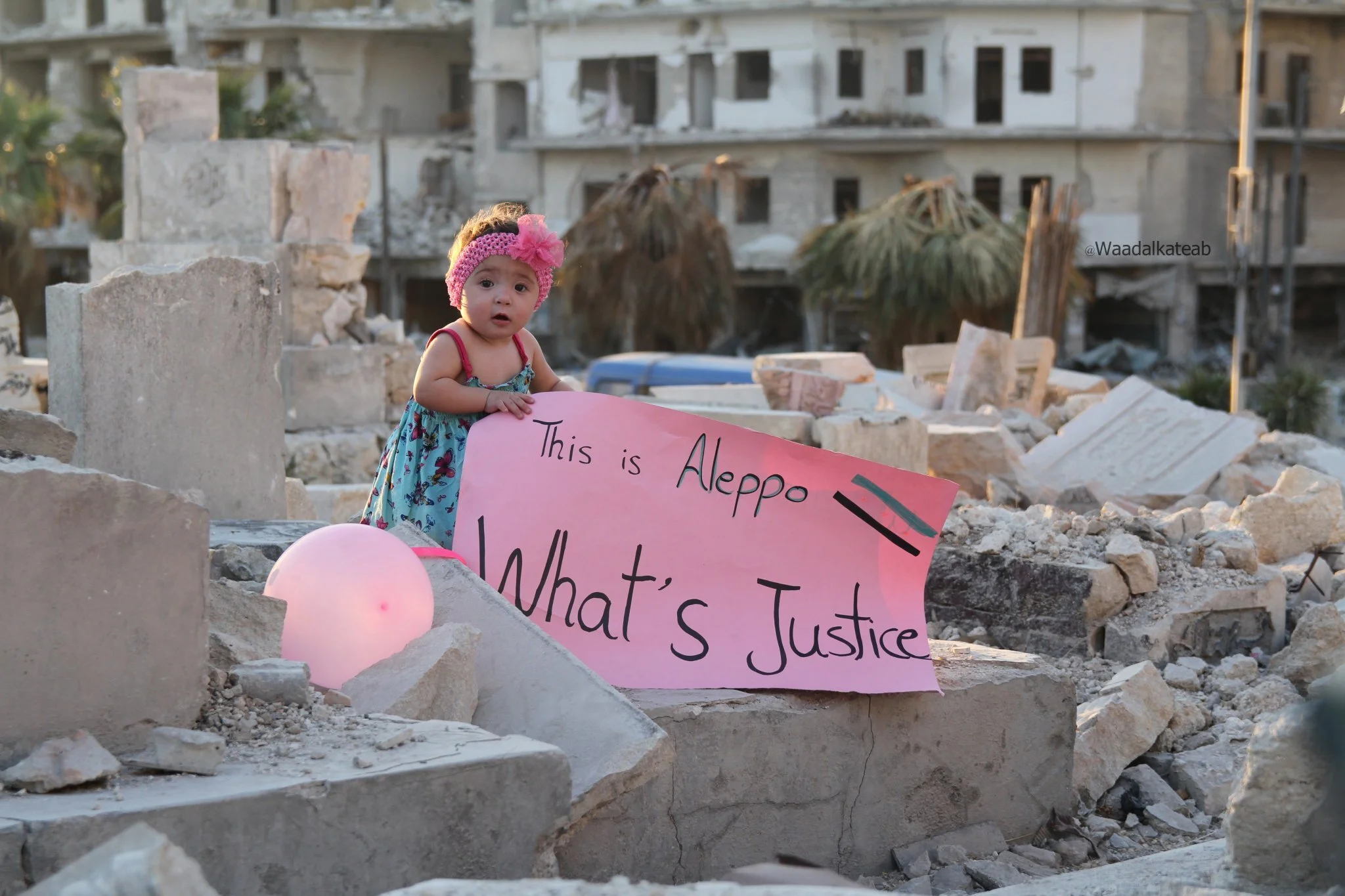
We are truly honoured and amazed by the incredible reaction to For Sama and, most recently, it was a flood of messages on Instagram that left us completely overwhelmed.
We shared the documentary trailer, asking our Action For Sama followers and supporters the question, ‘What did you learn from watching For Sama?’
The response was beautiful. Hamza and Afraa shared their thoughts too. Take a look….
What did you learn from watching For Sama?
“Never give up.”
“How many memories, dreams and hopes the last flower pot that was taken from garden before leaving home can carry 🌷”
“The Human spirit is powerful, resilient and relentless. Never lose hope.”
“That there can be unwaivering strength and laughter during the worst darkness imaginable.”

“For Sama shows the bitter reality of the wars in Syria. For Sama has taught me that life should be appreciated whatever the difficulties one faces. Because people in Syria still have smile on their faces amid dangerous situations and they still see goodness in things. ❤️”
“For Sama really is one of the most incredible pieces of film I’ve ever seen. Normally it is so easy to change the channel when you see such imagery, as it is so hard to comprehend. The film helped me realise I could no longer choose ignorance. Thank you x”
“We are so proud of you , and I’m proud that I belong to the same country which you belongs too . Keep it up ❤️”
“For me the film humanised a situation which otherwise felt very distant and hard to comprehend. 💜”
“I learned about the Syrian culture and about the place and circumstances that people flee to Europe from. It was deeply moving and educating at the same time.”
“I learnt to be human again x”
“It gave me a visual context to what my Syrian refugee friends have experienced and it gave me even more motivation to keep defending and fighting for their rights, amplifying their voices and stories and highlighting the incredible resilient human beings they are 💙”
~

“I learned something after releasing the film, it shows in all of the comments above: We are all humans and people really care if they were able to see the truth. Before the film, I’ve kind of lost that faith.”
“To live and to make meaning to your life.. To give as much as you can.”

~
Here’s the original post, so you can read every answer and add your own….


‘After 9 years of Disasters in Syria, I fear the arrival of Coronavirus'
I’m Nabil. I currently live in the northern countryside of Aleppo and I have been working in the medical cases department in Molham Volunteering Team since 2017.
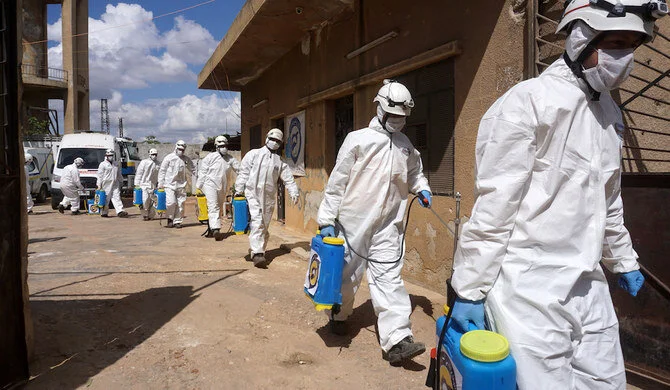
Now we are watching the spread of Coronavirus around the world. The area I live in is in huge danger if the virus reaches it, because there are a lot of camps where it is so hard for people to isolate themselves. There is also a lack of knowledge in regards to how dangerous Coronavirus is. Despite this danger, I’m still working. I have to. I visit the medical cases both in houses and tents and I’m following the basic safety guidelines - I’m wearing medical masks and gloves, disinfecting, preventing crowding during patient visiting time, and raising awareness about the Covid-19 and the danger of its spread.

I’m currently working with Dr.Hatem, who used to be in Al-Quds hospital before with us. Now he is the head of Al-Amal hospital (“Al-Amal” means hope in Arabic) - a hospital which specialises in children and women’s health. In the hospital it is hard to avoid direct contact with patients, but we always use basic protection and we continually disinfect the whole hospital. There is also a group of the staff who work solely on raising patients’ awareness and organising the space to make sure there is no crowding.
The danger of the Coronavirus is threatening the whole world. I feel sad about this. I fear the arrival of the Coronavirus to the northern parts of Syria. We’ve already lived through 9 years of disasters: the regime’s crimes, killings and forced displacement. I’m afraid of the spread of Coronavirus because there are many people living in tents, and the difficult economic situation of some families doesn’t allow them to stay in during the pandemic - they have to work to feed their children.

I fear for the repetition of what we went through in Aleppo. The cruelty of all the death we saw there still chases us. The crimes committed against children, women, the elderly. The blood and the massacres. I’m afraid that the same horrible things will come back in different ways, and I fear standing helplessly in front of them.
But I’m still here, with my friends and my family. I will always be prepared to give medical assistance, even when it becomes a danger to our lives. That is our job - our mission.
Finally, I wish for everyone to stand with the families inside of Syria so they could stay in their homes or tents. So they don’t leave and become a danger to themselves and others.
Read More:
WHY CORONAVIRUS IS A TICKING BOMB IN WAR-RAVAGED NORTHERN SYRIA by Arab News

'Watching Covid-19 footage from the hospitals reminds me of Aleppo'
There are many individuals - friends and colleagues of Waad and Hamza - that you will recognise from For Sama. Here is an update from Abd, who shares his reflections from his time in Aleppo in light of the recent Coronavirus situation…
There are multiple ways to die, but the result is always the same. From inside Syria - from what’s left of areas not controlled by the terrorist regime of Al-Assad - I wish for this terrible period to end without you losing a loved one.
I’ve been following the news about the Coronavirus and how it’s affecting the whole world - the panic and fear, how everyone could lose a loved one and how the whole world is sharing the same suffering, even if the danger depends on their living situation and age.
It may be hard for you to imagine the crimes the regime committed in Syria, but it’s very similar to what Corona is doing now - separating loved ones from one another. The difference is that the Assad and Russian regimes are only attacking Syrian people, while the virus is attacking the whole world.
The warplanes fly over us in the evening, warnings come from walkie talkies to clear the streets and the markets, and move towards basements and shelters. Some seconds later, you hear a big bomb. The warplanes hit yet another civilian area. The first responders, along with a group of civilians, move quickly towards the hit site to save whoever they can. The lucky ones from the injured people are the ones that get to the hospital first, because as a couple of minutes pass, the hospital wards are drawn completely with injured people. The race with time begins to save as many people as possible. The ER team works relentlessly for long hours after the massacre; strained eyes, bloodied hands, and tired faces. Nothing is heard except for medical devices and procedures’ names as well as the screams of the injureds’ families. Some people lose their lives before reaching the hospital because it can take the civil defense too much time to remove people from under the rubble of their houses.

On the 18th of November and due to the heavy airstrikes on the city, as well as the shelling particularly on the hospitals, only one hospital remained taking care of the injured. All the medical staffers gathered in that hospital. I was passing a friend in the ER corridor and he shouted at me. I felt like he had someone injured in the hospital and he told me his mother had died. I told him may she rest in peace and kept going. Even though I’m not a medical staffer, I was hoping to lend a hand and help to save people. There was no time to give condolences to my friend at that moment. It’s very hard to lose someone we love but what’s even harder is watching someone we love die without being able to help them at all.
As I’m watching the footage from the hospitals in the countries that have the most cases of Coronavirus, it reminds me of what was happening in Aleppo years ago. The doctors’ faces that have medical mask scars carved into them reminds me of the medical staffers’ faces as they’re trying to save lives after every massacre. The news about cases among the medical staffers reminds me of all the doctors, first responders, and civil defense members that we lost because the airstrikes targeted them while they were trying to save lives.
In the last days of the siege in Aleppo, some friends created a WhatsApp group and it was named, “The same fate holders,” because we were in the same city and we were going to share the same fate that is going to hit the city. We lost some of the friends who were in the group due to the airstrikes or the snipers’ bullets from the regime forces. Today, everyone is in “The same fate holders” because we’re all humans, we’re all being attacked by a virus, we’re all watching social media and following the news closely, and we’re all wishing for the moment that we hear a vaccine or medicine is found. Someday, we still hope to hear the international community will make a stand and take action to stop the regime’s crimes; to help us reach our dreams as free people.
My friends, I wish for you to stay safe and that the virus doesn’t find its way to you. I look forward to the day that Social media and TV programs will announce the virus’s defeat. Everyone on this planet deserves to live safely without any virus, and the people of Syria deserve to live safely without the dictator and criminal regime over them.
Abd
Why coronavirus is a ticking bomb in war-ravaged northern Syria
ERBIL, Iraqi Kurdistan: As the coronavirus pandemic cuts a wide and deadly swathe through the Middle East and Asia, people in war-torn areas are pretty much sitting ducks, waiting to contract the infection.
Nowhere are crisis-ravaged communities more exposed to the deadly virus than in large expanses of Syria, especially in the country’s northwest and northeast.
Northern Syria is particularly vulnerable owing to dire humanitarian conditions and the risk of further conflict, analysts told Arab News.
The northwestern governorate of Idlib and the mostly Kurdish-controlled northeast, the two remaining areas outside the Syrian regime’s control, now face an invisible enemy.
Syria confirmed its first case on March 23, after insisting for weeks that the virus had not reached the country.
The regime had been waging an aggressive military campaign to retake territory in Idlib. For the past several weeks fighting has abated, especially after Turkey, which backs several rebel groups, reached a cease-fire deal with Russia, Syrian President Bashar Assad’s main military backer.
The hundreds of thousands displaced by the fighting have sought shelter in already overcrowded displacement camps, where conditions make it impossible for residents to practice social distancing or self-isolation.
Out of Idlib’s 2 million-plus population, at least 900,000 were displaced by the latest round of fighting between the regime and rebels.
Furthermore, many people in Idlib have no access to clean or hot water, or necessities such as soap that can help prevent the spread of the virus.
To compound the crisis, the regime’s Russian-backed air campaign in Idlib saw repeated bombing of hospitals and health facilities, which has crippled the local health infrastructure and rendered it incapable of handling any outbreak.
When it comes to a COVID-19 outbreak, Idlib’s fears and vulnerabilities are mirrored by those of northeast Syria, most of which is controlled by the Kurdish-led Syrian Democratic Forces (SDF).
The news of the first death here — in a hospital in the city of Qamishli, which is under the regime’s authority — drew a strong reaction from the Kurdish Red Crescent and the SDF-backed Autonomous Administration of North and East Syria (NES) on Friday.
Supporting Syria: 5 Organisations who are Making a Difference
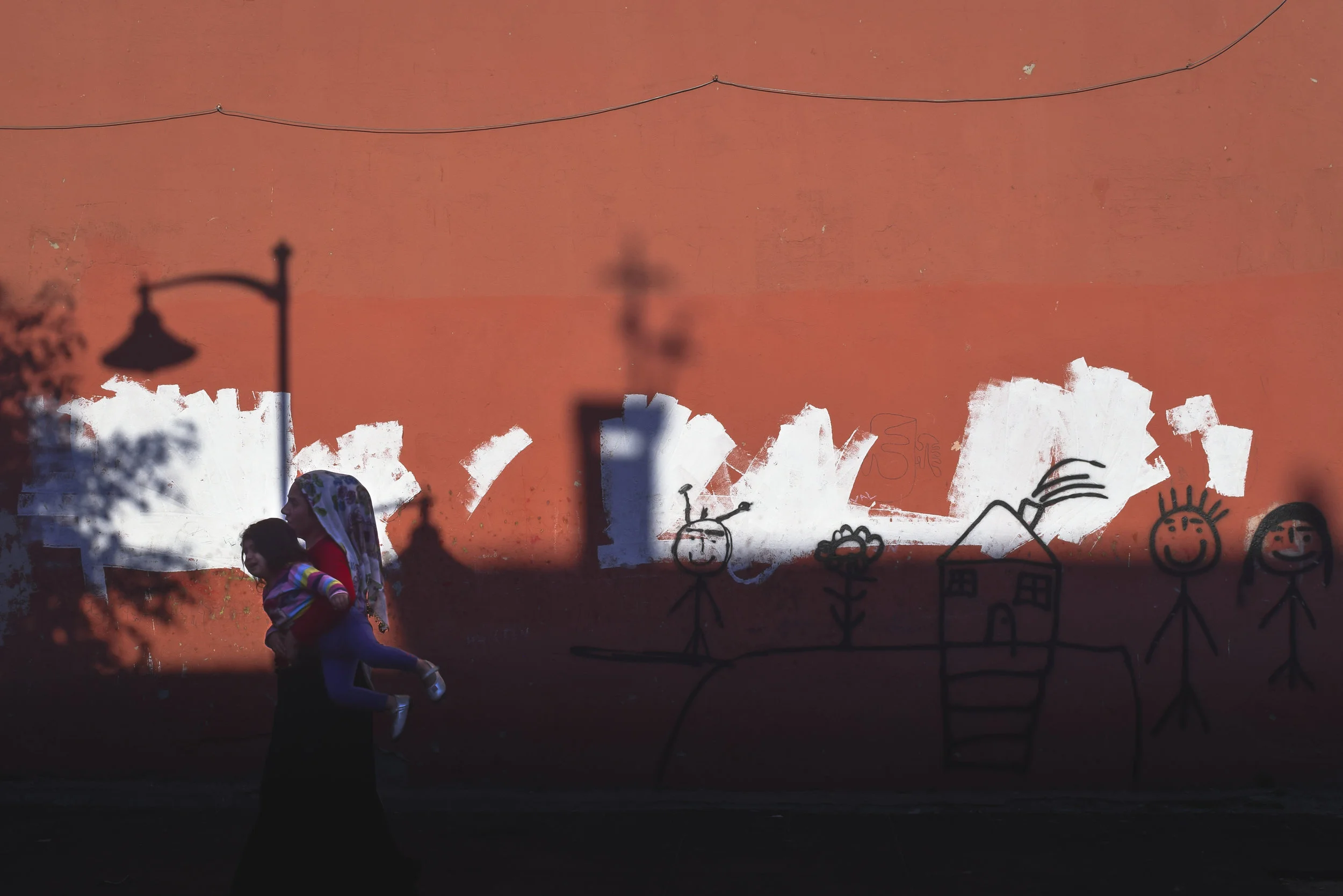
It is an unsettling time at the moment, as many adjust to a temporary ‘new normal’. But this ‘new normal’ can only be achieved living in a home, with access to water and having healthcare to hand.
Thousands of displaced refugees - forced to flee their homes - now face further danger with coronavirus outbreaks in overcrowd camps.
It’s incredibly difficult to know how to help those far away, while so much is happening close to home. We understand that. But there are still many ways we can support Syrian civilians. Here, we are highlighting 5 incredible organisations - partners or allies of Action For Sama - who are working tirelessly to make sure funds, resources, information and care, reach those who need it more than ever.
Follow them to keep up to date with the situation and to see how every little bit of support can count...
HELP REFUGEES / CHOOSE LOVE

Our friends at Help Refugees fund more than 120 projects across Europe and the Middle East, ensuring every pound raised can be traced to its tangible impact on the ground. Through their online shop and fundraising campaigns, they have been able to reach over 1M displaced people.
In their current Coronavirus appeal, Help refugees will provide emergency isolation accommodation for the sick and distribute tens of thousands of bars of soap and bottles of hand sanitiser.
THE SYRIA CAMPAIGN

The Syria Campaign are the human rights advocacy group behind the White Helmets film, who raise the voices of Syrian heroes through award-winning media and political campaigns.
They have supported Action For Sama as Waad calls on MPs to #WatchForSama and, most recently, The Syria Campaign are demanding that the Syrian regime release all detainees held in prisons and unofficial detention centers amid the global rapid spread of the coronavirus.
MOLHAM volunteering TEAM
Launched in 2012 by a group of Syrian University students, Molham Volunteering Team works to deliver basic necessities to Syrians in need.
Now with a team of 180 volunteers, the Molham Volunteering Team launches emergency campaigns to provide humanitarian relief and address the needs of civilians in distressed areas and does so in an independent way, free of any political orientation or partisanship.

VIOLET ORGANISATION
Partnering with the UN, NGOS and media organisations and more, Violet Organization provides humanitarian support in six provinces: Idlib, Aleppo, Hama, Damascus, Latakia, and Homs.
In their Coronavirus reponse, Violet aims to provide training on the response of the COVID-19 to specialized paramedics in order for them to deal with potential cases and look after those affected.

MARHABTAYN SUPPER CLUBS
Mahabtayn, founded by a group of Syrians and friends in London, put on regular supper clubs to raise money for Syria, while also showcasing the country’s cuisine, culture and hospitality.
In light of the Coronavirus situation, Marhabtayn is fundraising for local soup kitchens here in London, and to support local volunteers in Syria to distribute hygiene kits to families in makeshift camps.

Join Waad al-Kateab - Ask Your MP to #WatchForsama and Act for Syria
Header image credit: Stylist Magazine
My name is Waad al-Kateab and Aleppo was my city. In 2011 when the revolution started, we were afraid to be arrested for even thinking about our freedom, but I took my phone and I started to film. I filmed the women and children and people all around me. I filmed the destruction by the Russian and Assad regime bombings that we saw every day, and I filmed because I knew I had to document what was happening there.
When the regime took control of Aleppo we felt so angry and my heart broke for the city and my people. We were forced to flee to nearby Idlib to find safety. I was lucky that I was able to get out and reach the UK with my family, but 3.5 million people who stayed in Idlib are not this lucky.
I know that all of us are facing uncertain times right now and I understand this is very difficult. But we also need to remember that people in Idlib are still suffering - people who we shared our dream of freedom with. Hospitals, schools, and civil defence teams have been deliberately targeted. A million people have been forced to flee their homes since December into overstretched displacement camps.
The Syrian people feel they have been abandoned by the world - by governments that have the power to do so much, yet do nothing.
On the 9th anniversary of the Syrian revolution, I want British MPs to take just 90 minutes to watch my film, so they experience what life is like for Syrians under attack and act to protect civilians in Idlib today.
Please, will you join me and ask your MP to watch For Sama and act for Syria?
I made my film for my daughter, Sama, so she would understand what we were fighting for. Now we must make sure every single MP does too.
Thank you so much,
Waad x